
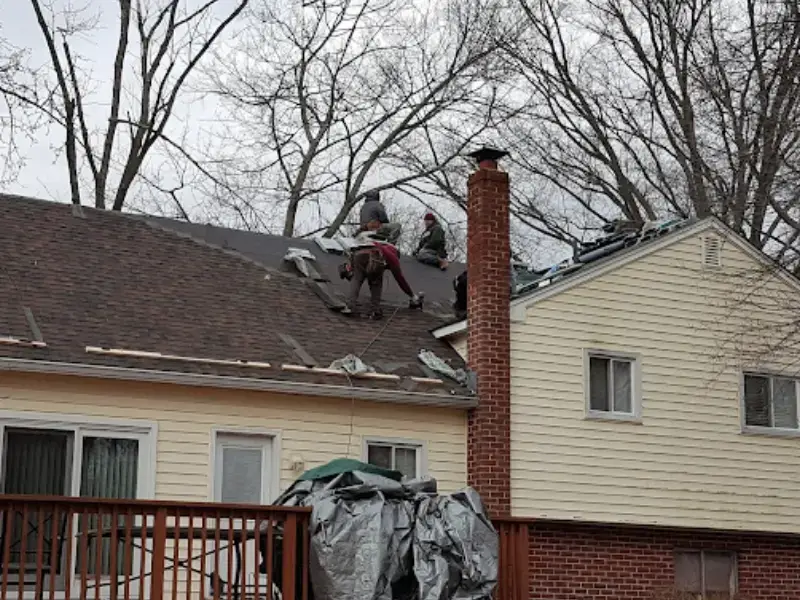
Waking up to the terrifying sound of heavy hail pounding on your house can create an overwhelming sense of panic for any homeowner. As water begins dripping through your bedroom ceiling, finding reliable storm damage roof repair becomes your immediate priority to save your property. Ignoring these terrifying early warning signs always leads to severe structural decay that will eventually ruin your entire upper floor.
This breakdown answers your most pressing questions about securing your home after a major storm. We show you exactly what to look for and how to handle the messy cleanup safely. Understanding your roof replacement options gives you the confidence to make smart financial decisions for your family.
Spotting hidden damage early helps you catch tiny leaks before they rot your wooden support trusses. Keep this information handy to defend your home the next time bad weather hits. Acting fast stops secondary water intrusion in its tracks before another heavy rain strikes your neighborhood.
Immediate Actions for Roof Storm Damage Repair
When the dark clouds finally clear, getting a prompt roof storm damage repair assessment is the smartest initial move you can make. Your exterior materials take the worst beating during severe weather events, serving as a protective shield while absorbing heavy impacts. Catching these tiny breaches quickly lets you schedule affordable fixes before water starts ripping the wooden fascia boards off completely.
You should always start your personal property assessment by simply walking slowly around your front yard and looking closely at the wet ground. Finding intact asphalt shingles, twisted metal flashing, or broken ridge caps lying in your grass indicates your protective barrier is actively failing. High winds easily rip older, brittle materials right off the wood decking, leaving your dark attic completely exposed to the outside elements.
Securing Your Home Against Further Leaks
Missing exterior materials instantly provide a direct, unblocked entry point for heavy rain to soak deep into your vulnerable insulation and wooden structural support beams. If you notice large sections of missing shingles, you need to arrange for emergency roof repair after storm services right away. A local professional crew can safely climb up and securely tarp the exposed areas to stop further interior flooding permanently.
Waiting too long to address these glaring exterior holes will rapidly accelerate the costly water damage inside your walls. Even a minor afternoon rain shower can push gallons of unwanted water straight through an exposed decking board in a matter of minutes. Professional tarping services give you the time you need to plan your permanent structural restoration project carefully.
Understanding the Sneaky Dangers of Heavy Hail
Falling hailstones definitely do not have to be the size of baseballs to wreck your asphalt shingles and underlying synthetic protective layers completely. Even incredibly small, dime-sized hail violently knocks away the rough, highly protective mineral granules firmly baked into the top surface. Without those protective granules, the harsh summer sun will rapidly dry out the exposed black asphalt, causing it to crack permanently.
Once the asphalt completely degrades and splits, rainwater will easily seep into the wooden decking, causing widespread, hidden structural decay. Checking your exterior aluminum gutters and vertical downspouts for heavy granule buildup is a fantastic way to verify severe material degradation. Finding a thick, dark pile of sandy material pooling on your concrete driveway means your shingles definitely took a massive physical beating.
Hidden Threats Caused by Extreme High Winds
Heavy, swirling wind gusts cause a specific type of exterior damage that is incredibly hard for the average homeowner to spot. The powerful wind gets aggressively pushed up under the bottom edge of the shingle, violently breaking the strong factory adhesive seal that holds it down. Once the heavy storm completely stops blowing, the lifted shingle often lies completely flat again.
This deceptive appearance tricks many local homeowners into falsely believing their property escaped the bad weather without suffering any actual physical harm. Because that sticky factory seal is permanently broken, the next gentle rainstorm can easily push flowing water straight up under the loose exterior materials. That trapped surface water soaks directly into the wooden roof deck, causing slow, highly hidden rotting that goes completely unnoticed for months.
Step-by-Step Instructions: Handling the Aftermath Safely
Taking the right initial steps immediately after a severe weather event ensures your family stays safe while documenting the damage properly. You must follow a strict, careful process to protect your legal rights and prevent the assigned adjuster from unfairly denying your upcoming financial claims. These detailed instructions will keep your property protected while you wait for the official start of permanent restoration work.
Step 1: Conduct a Safe Visual Assessment. Conduct a safe visual inspection from the ground using high-quality binoculars to check for any exterior materials that are missing or severely damaged. Never climb up a tall ladder yourself, because the wet surface will be slippery and unsafe after taking a severe beating. Spotting major holes from the driveway lets you know exactly where the professionals need to focus.
Step 2: Perform a Thorough Interior Check. Walk slowly through your interior living spaces and carefully check your flat white ceilings for large yellow or light brown water rings forming. Turn on a very bright flashlight and safely pop your head up into the dark attic to look for any sunlight shining through the decking boards. Catching these hidden, sneaky leaks early prevents toxic mold from spreading rapidly through your home.
Step 3: Take Extensive Photographic Evidence. Take dozens of clear, high-resolution photographs of everything you see, including scattered yard debris, twisted gutter damage, and fresh interior water stains. Documenting the exact time and calendar date of the extreme weather event is incredibly important for your permanent personal records and future financial recovery process. Solid, undeniable photographic proof makes the upcoming financial claims process infinitely smoother.
Step 4: Hire a Trusted Local Professional. You must immediately contact a reputable, highly rated local company to perform a comprehensive, hands-on structural inspection of your entire residential property. The experienced local experts have the exact right safety equipment and specialized technical training to find hidden structural issues you cannot see from the ground level. A thorough professional assessment gives you a perfectly accurate, honest estimate of the total restoration costs.
Step 5: Review the Long-Term Restoration Plan. Sit down with your chosen contractor to thoroughly review their written findings and clearly understand every single step of the upcoming restoration process. Properly understanding how to repair storm-damaged roofs requires leaning on your contractor’s deep expertise in local building codes and specific material requirements. They will help you select the best heavy-duty architectural shingles to protect your home against future severe weather.
Key Areas to Inspect for Sneaky Moisture Intrusions
Knowing exactly where to look for deeply hidden moisture can easily save you from having to replace your ruined interior drywall and expensive floors. Liquid water always strictly follows the path of least resistance, meaning a tiny leak at the brick chimney can ruin a ceiling ten feet away. Look for these specific warning signs when you conduct your entirely safe, ground-level visual property assessment:
- Check the top corners of your upper bedrooms for peeling paint or bubbling drywall tape that strongly indicates trapped moisture inside the hollow walls.
- Inspect the soft rubber boots wrapped around your plumbing vents, as heavy winds often violently tear these delicate seals and allow water to pour inside.
- Look closely at the shiny metal step flashing around your brick chimney to see if it has pulled dangerously away from the hard mortar joints.
- Examine the dark underside of your wooden roof decking from safely inside the attic for any wet, soft spots that indicate actively rotting wood boards.
- Check your painted exterior fascia boards and wooden soffits for strange brown water stains or heavily peeling paint caused by overflowing, badly damaged gutters.
- Look for missing, cracked, or severely dented ridge caps running along the very top peak of your house, as this is a highly vulnerable entry point.
Protecting Your Property with Temporary Fixes
While you patiently wait for permanent fixes, safely applying temporary exterior solutions can quickly stop an active, pouring leak from completely flooding your living room. Installing heavy-duty, fully waterproof tarps is the industry standard for temporarily sealing exposed wooden decking until proper, brand-new materials arrive. This immediate mitigation step is often strictly required by standard homeowners’ insurance policies to prevent secondary issues.
Keep these important mitigation steps in mind while dealing with a newly compromised exterior and waiting for your permanent, professional restoration services to begin officially:
- Always hire a fully insured professional crew to properly install heavy tarps, because walking on a steep, wet surface is incredibly dangerous for untrained homeowners.
- Make sure the temporary plastic tarp extends well past the heavily broken area and is very securely nailed down with thin wooden furring strips.
- Move your expensive antique furniture, colorful rugs, and sensitive electronics far away from the active indoor leak area to prevent total, devastating property losses.
- Place large plastic buckets or deep storage bins directly under the ceiling leak to catch dripping water, and empty them very regularly to avoid overflowing.
- Set up large floor fans and commercial-grade dehumidifiers inside the humid house to dry out damp carpets and prevent rapid, toxic black mold growth.
Managing the Insurance Adjuster Process Safely
Dealing with your insurance provider can feel incredibly overwhelming when your house is actively leaking, and your family is highly stressed. Filing a proper, fully legal insurance claim for roof damage requires undeniable proof that the specific weather event directly caused the current structural issues. You must confidently have your organized photographs, detailed written notes, and accurate contractor repair estimates ready.
Showing up fully prepared forces the assigned representative to take your personal situation very seriously from the very beginning of the lengthy evaluation process. The official adjuster ultimately works strictly for the large insurance company, and their primary professional goal is to protect the company’s bottom line. Having your own trusted local roofing contractor present during the official physical inspection is incredibly smart.
Pro Tip: Maximizing Your Claim Appointment
Always demand a highly detailed, itemized breakdown of the official adjuster’s printed estimate to ensure it includes current, accurate market prices for new building materials. Daily material costs fluctuate widely, and older estimating software programs might severely underestimate the actual, real-world cost of upgrading to premium asphalt shingles in your specific area. Having an expert contractor review their numbers ensures nothing is missed financially.
If the initial settlement offer seems far too low to cover high-quality repairs, you have the legal right to demand a secondary physical inspection immediately. Never unquestioningly accept the very first check they offer if your trusted local contractor completely disagrees with their incredibly low, highly unrealistic financial numbers. Standing your ground ensures your property is restored using the best materials currently available.
Avoiding Out-of-Town Storm Chaser Scams
Never sign a binding legal contract with shady out-of-town storm chasers who aggressively knock on your front door, demanding huge cash deposits right after a blowout. These pushy, highly aggressive traveling salespeople consistently do terrible work, rushing with incredibly cheap materials, and completely disappear when your house starts leaking later. They specifically target panicked homeowners who desperately want their messy property fixed as fast as possible.
Always stick with a deeply established local business that thoroughly understands your specific community’s building codes and stands behind its long-term artistry warranties forever. A truly local company has a physical office, a solid reputation in your town, and will always happily answer its office phone. When you inevitably need them for minor warranty work years down the long road, they will be there.
Frequently Asked Questions
Q. How long do I have to file a claim after bad weather hits?
A. Most standard American homeowner policies strictly require you to file your official financial claim within one year of the specific date the severe weather event occurred. Filing immediately prevents the skeptical company from falsely claiming your subsequent ceiling leaks were entirely caused by long-term homeowner neglect.
Q. Can I fix a few blown-off shingles myself to save money?
A. Attempting dangerous DIY exterior patches is highly risky and will almost certainly completely void your very expensive, long-term manufacturer materials warranty. Professional roofing crews ensure the brand new materials are perfectly, seamlessly integrated with the older existing layers to prevent future hidden moisture intrusions.
Q. Will my monthly insurance premiums go up if I file a weather claim?
A. Financial claims officially made for completely unpredictable natural disasters generally do not directly cause an individual’s personal premium increase. Insurers very often raise the monthly rates for an entire zip code after a major disaster strikes, regardless of whether you personally filed a structural claim or not.
Q. What happens if the adjuster denies my initial structural claim?
A. You always have the legal right to strongly appeal a completely denied claim by hiring a licensed public adjuster or directly requesting a secondary re-inspection. Having a reputable, honest roofer often provides extensive, undeniable photographic evidence that forces the stubborn insurance company to reverse its final decision quickly.
Conclusion
Getting your property entirely back to normal after a severe weather beating takes patience, solid photographic documentation, and the dedicated help of a trusted contractor. Taking immediate action to securely cover exposed deck areas strongly prevents minor exterior issues from becoming major financial disasters. Your comfortable family home is your largest personal financial investment, and you deserve a highly reliable exterior system that keeps everyone safe.
You certainly do not have to handle the highly messy aftermath, the complicated legal paperwork, and the frustrating, stubborn adjusters entirely on your own this storm season. Finding an honest, deeply experienced local team completely removes the heavy stress from the complicated structural restoration process. Protect your property right now by reaching out to the dedicated professionals at Discounted Roofing LLC via discountedroofingllc to easily schedule your completely honest, no-obligation physical exterior inspection today.