
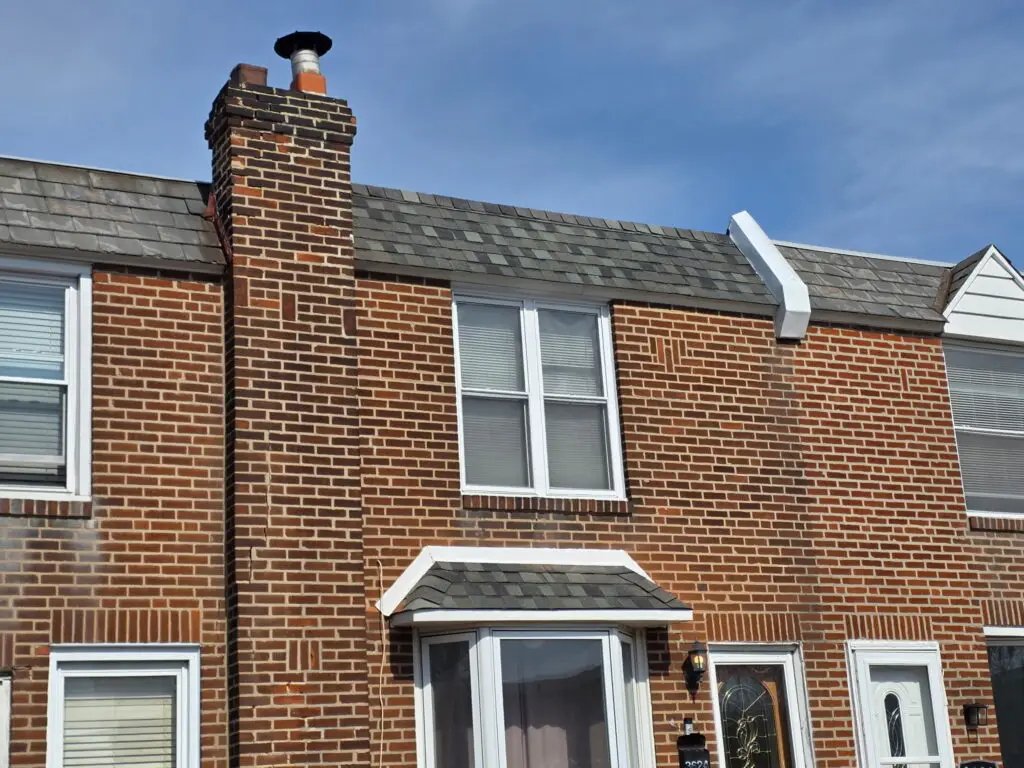
Summary: Preparing your roof for severe weather involves checking for loose or missing shingles, clearing gutters and downspouts, inspecting flashing and seals, trimming overhanging branches, and ensuring proper attic ventilation. Wind uplift, hail, and heavy rain can exploit small roofing weaknesses, leading to leaks, structural damage, and costly repairs. Regular inspections and timely maintenance, especially before storm season, can reduce these risks and help protect your home during severe weather.
To prepare your roof for severe weather, you should inspect for loose or missing shingles, clean out all gutters and downspouts, secure loose flashing around chimneys, and trim any overhanging tree branches.
When a severe thunderstorm or hurricane watch hits the news, most homeowners scramble. We get it. If you aren’t completely sure your roof can take a beating, the forecast is stressful. Ignoring tiny roofing issues during summer usually leads to expensive interior leaks the second a storm hits. You might think everything up there is secure, but there are three hidden weak spots most people completely overlook until water pours through the ceiling.
This guide breaks down exactly what you need to do to inspect, maintain, and storm-proof your home before the weather turns nasty. With extreme storms happening more often, getting ahead of the damage is the only way to protect your property.
Understanding Your Roof’s Greatest Vulnerabilities
Before you can actively protect your home, you need to understand how severe weather actually attacks it. When you know what the wind and rain are trying to do to your building materials, preparing for it makes a lot more sense.
High Winds and the “Uplift” Effect
When a heavy wind blows over the top of your house, it doesn’t just push down on your shingles. It actually creates a powerful suction effect known in the roofing industry as “wind uplift.” Think of it like the aerodynamics of an airplane wing.
If that rushing wind manages to get underneath a loose or curling shingle, it acts just like a sail on a boat. The wind grabs the material, pulls it backward, and eventually snaps it off entirely. Once that shingle is gone, the fragile felt underlayment beneath it is exposed directly to the driving rain. A leak isn’t just a possibility at that point, it is guaranteed.
Hail and Hidden Impact Damage
As asphalt shingles age, they slowly shed the sand-like granules baked into their top surface. Those granules act like sunscreen, protecting the asphalt from baking in the UV rays. Without that granular coating, your shingles become incredibly brittle.
When a hailstorm rolls through, those brittle shingles are basically sitting ducks. A hard impact from a hailstone easily bruises the shingle and shatters the fiberglass matting underneath. You won’t even see this damage from the ground, but those hidden cracks lead to slow leaks that silently rot your wood roof deck over the next few months.
Heavy Rain and Water Intrusion
Water doesn’t care about your schedule. It is relentless, and it always finds the path of least resistance. If you have poor drainage on your roof, heavy rain will force its way right through the seams.
The areas where two roof slopes meet known as valleys take on huge amounts of rushing water during a heavy downpour. If the shingles in those valleys are slightly compromised, the sheer volume of water pushes under them, soaks into your decking, and eventually drips right down onto your insulation.
The Ultimate Severe Weather Roof Prep Checklist
If you want to keep your house dry and avoid fighting with your insurance adjuster over a denied water damage claim, you need to be proactive. Wrap these specific steps into your regular roof maintenance checklist every single year, ideally a few weeks before your local storm season officially begins.
1. Inspect and Secure Loose Shingles
You do not need to climb a steep, dangerous ladder to get a great look at your house. Grab a pair of binoculars, stand safely across the street, and slowly scan the entire roofline.
Pay very close attention to the outer edges, the very top peak, and the valleys. Look for anything that looks out of place. Do you see curling edges? Are there cracked pieces? Are there dark, flat patches where shingles are completely missing? High winds will target those exact spots first. If you see shingles flapping even slightly on a breezy afternoon, they need to be nailed down and sealed with roofing cement before a real storm hits.
2. Clear Gutters and Downspouts
Your gutters act as your roof’s personal plumbing system. When they are packed tight with wet leaves, pine needles, dirt, and old bird nests, the rainwater has nowhere to go.
Instead of flowing neatly down the spout and away from your home’s foundation, the water backs up. It pushes up under your lowest row of shingles, rotting out your wooden fascia boards and causing leaks inside your exterior walls. Before a major storm hits, get a ladder, put on some heavy gloves, and scoop out all that rotting debris. Run a garden hose down the downspout to ensure there are no hidden clogs trapped below the surface.
3. Examine Roof Flashing and Seals
In our years of inspecting storm damage, the most common failure point we see is compromised flashing. Flashing consists of the custom-bent metal strips installed around anything that pokes through your roof like brick chimneys, skylights, and plumbing vent pipes.
Spend a lot of time inspecting roof flashing to see if the metal is rusted, bent, or pulling away from the brick. Check the rubber boots around your PVC plumbing vents to see if the sun has cracked them. If the caulking or roofing cement looks dried out, flaky, or missing, it needs to be resealed with a high-quality polyurethane roof sealant immediately.
4. Trim Overhanging Tree Branches
Do not let tree branches hang directly over your house. Keep them trimmed back at least six to eight feet from the roofline.
There is a real scenario we see every single spring: a homeowner leaves a large, dead oak branch hanging over their garage. A severe thunderstorm rolls through, the wind gusts to sixty miles an hour, and that heavy branch snaps, crashing straight through the plywood decking and landing on their car. It is an incredibly expensive disaster that is entirely preventable with a quick trim.
Second, even light winds cause low-hanging branches to scrape back and forth across your shingles like heavy-grit sandpaper. Over time, this constant scraping strips away the protective granules, leaving a bald spot that will quickly deteriorate, crack, and leak.
5. Check Attic Ventilation and Insulation
Most folks never think about their attic when trying to prepare for severe weather, but your attic needs to breathe. Good airflow from your soffit vents up through your ridge vents stops trapped moisture from building up when the temperature drastically shifts.
More importantly, during severe weather like a hurricane or tornado, proper ventilation helps balance the indoor and outdoor air pressure. Believe it or not, this pressure balance dramatically reduces the chance of wind uplift tearing the roof completely off your house framing. Just take a peek up there and make sure your blown-in insulation isn’t accidentally covering up the intake vents at the edges of your attic.
DIY Inspection vs. Professional Assessment
What You Can Check from the Ground
Along with using binoculars outside, take a walk around your foundation and check where your downspouts empty out into your yard. If you see a pile of sandy shingle granules sitting in the grass at the end of the pipe, your roof is aging fast. It is actively losing its weatherproofing layer and becoming a prime target for severe weather roof protection failures.
You can also check your attic. Grab a strong flashlight and go up there during the middle of the day. Leave the lights off and look up at the bare wood decking above you. If you see sunlight peaking through anywhere, water will find that exact same hole.
When to Call a Roofing Contractor Before the Storm
If you notice sagging sections in your roofline, patches of missing shingles, or heavily cracked masonry on your brick chimney, call a licensed professional right away. Do not try to climb up and walk on a compromised, steep roof yourself. A slip and fall just isn’t worth the risk. A professional has the safety gear, the harness, and the trained eye to spot severe vulnerabilities you will overlook.
Why Trust Discounted Roofing With Your Home’s Safety?
At Discounted Roofing LLC, we don’t just slap a tarp on your house after a storm ruins it, we help lock things down before the rain falls. Our licensed contractors have spent ten years working through the worst weather seasons, and we’ve seen what happens when folks skip basic maintenance. We run an honest business with transparent roof inspections and zero high-pressure sales tactics. When you follow our advice, you get real expertise from a crew that has protected thousands of homes.
Frequently Asked Questions (FAQ)
Q. Should I fix missing shingles before a storm?
A. Absolutely. Just one missing shingle gives the wind a perfect spot to grab hold. Once the wind gets under there, it can peel back whole sections of your roof in minutes, leaving your living room totally exposed to the rain.
Q. Why do I need to clean my gutters before heavy rain?
A. If your gutters are choked with leaves, the water has nowhere to go but up and under your bottom row of shingles. That trapped water rots your fascia boards fast and eventually drips straight down inside your exterior walls.
Q. Can high winds tear my roof off?
A. Yes, through a process we call wind uplift. Heavy wind moving over your house actually creates a massive suction effect. If your attic doesn’t breathe well or your shingles are loose, a severe gust can literally pull the materials right off the wood.
Q. How close should trees be to my roof?
A. You want a solid six to eight feet of clearance. Branches that constantly rub against your house will quickly scrape off the protective granules on your shingles. Plus, you don’t want a dead limb crashing through your ceiling when the wind picks up.
Q. Does homeowners insurance cover roof maintenance?
A. Not at all. Insurance only pays out for sudden, unexpected storm damage—like a massive hail storm or a fallen tree. They expect you to pay for everyday wear-and-tear and basic upkeep out of your own pocket.
Q. What exactly is roof flashing?
A. Think of flashing as your roof’s armor. It’s the metal strips and heavy caulking we install around chimneys, skylights, and plumbing vents to keep rain from sneaking into those awkward joints and cut-outs.
Q. Can I inspect my roof from the ground?
A. You sure can. Grab some binoculars and look for any lifted, cracked, or completely missing shingles. You should also check where your downspouts empty into your yard—if you see a big pile of sandy granules, your shingles are wearing out.
Q. Why is attic ventilation important during severe weather?
A. An attic that can’t breathe traps moisture, but during a storm, it’s all about air pressure. Good airflow balances the pressure inside your house with the intense weather outside. That balance helps keep the roof securely attached to your framing.
Q. What should I do if my roof leaks during a storm?
A. First, move your furniture out of the way and grab a bucket. Then, poke a tiny hole right in the center of the sagging ceiling paint so the water drains neatly rather than bursting through. Never climb on a wet roof—wait out the storm, then call a professional.
Q. How often should I get my roof inspected?
A. We always recommend a professional checkup once a year. The best time to do this is right before your local storm season kicks into gear, giving you plenty of time to fix any weak spots before the bad weather actually hits.