
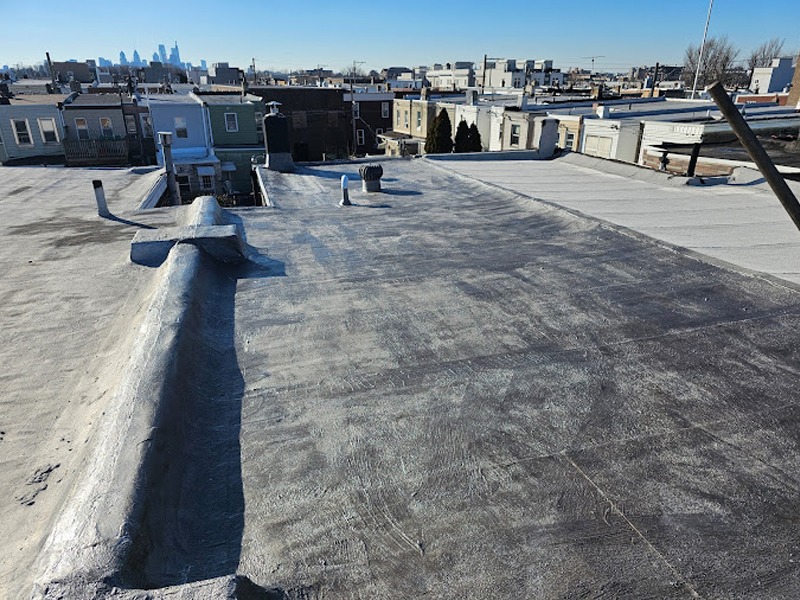
Summary: A roof layover, where new shingles are installed over existing ones, can reduce upfront costs and shorten installation time, but it is only suitable for roofs with a single, flat, damage-free shingle layer. While this method can save money, it carries risks such as added structural weight, hidden deck damage, reduced shingle lifespan, and possible warranty issues. A professional inspection is recommended to determine whether a layover is safe or if a complete roof tear-off and replacement is the better long-term solution.
Nobody wakes up excited to spend thousands of dollars tearing off an old roof. When a contractor hands you an estimate, your eyes immediately scan the bottom line, and the first question you ask is usually, “Do we really have to rip the old one off?” It makes perfect sense. If the current shingles are still attached, why not just nail the new ones right over them and save a ton of cash on labor and fees?
In the trade, we call this a roof layover. Every single week, homeowners ask us: can you put new shingles over old shingles? While stacking fresh asphalt over an aging roof sounds like a brilliant money-saving hack, the reality is far more complicated. Sometimes it works perfectly. Other times? It is a structural disaster waiting to happen. Let’s dive in.
The Short Answer: Can You Shingle Over an Existing Roof?
Yes, you can put new shingles over old shingles, a process known as a roof layover. However, building codes strictly limit roofs to a maximum of two layers. You should only install new shingles over existing ones if the current roof has a single layer, lies relatively flat, and shows zero signs of underlying water damage or deck rot.
What is a Roof Layover (Reroofing)?
A roof layover is a roofing shortcut where an installer nails a fresh layer of asphalt shingles directly over your current roof. Contractors in the trade often call this reroofing. Instead of tearing everything off and throwing it in a dumpster, they leave the old materials right where they are to act as a base.
This process sits in sharp contrast to a full roof replacement. During a traditional tear-off, roofing crews strip the house bare. They pry up the old shingles, remove the old underlayment, and expose the raw wooden roof decking beneath.
A lot of homeowners ask us if a layover is a smart choice for their property. While nailing new material over old material definitely saves upfront cash, it remains a highly situational fix. It won’t work for every house. If your wooden foundation is rotting or sagging, covering it up with fresh asphalt just hides the problem for a few more years.
The Pros and Cons of Roofing Over Existing Shingles
Making the right choice means looking at the hard facts. When you start looking at different roof replacement options, the price difference between a layover and a tear-off is usually the first thing you notice. You have to weigh those upfront savings against the long-term reliability of starting fresh.
The Advantages
Let’s look at the positive side first. There are two big reasons homeowners lean toward installing new shingles over old ones.
Lower Installation Costs
Skipping the demolition phase keeps a lot of money in your bank account. You don’t have to pay a roofing crew for hours of back-breaking tear-off labor. You also completely bypass the rental fees for a 20-yard dumpster, plus the heavy tonnage fees at your local landfill.
Faster Project Timeline
Layovers happen fast. Because the crew doesn’t waste half the day stripping off old materials and cleaning thousands of rusty nails out of your flowerbeds, they start installing immediately. An experienced crew can easily knock out a standard roof layover in a single day.
The Disadvantages (The Hidden Risks)
Those upfront savings carry some heavy long-term risks. Before hammering a single nail, you need to check for hidden signs of roof damage. Ignoring these risks can cost you thousands down the road.
Added Weight on the Roof Structure
Shingles are incredibly heavy. Covering an average-sized home adds thousands of pounds of dead weight to the roof framing. Older houses simply might not have the structural trusses needed to support a second layer without bowing or sagging over time.
Inability to Inspect Roof Decking for Rot
This is the biggest gamble you take with a layover. The roof decking is the wooden plywood holding your entire roof together. Without tearing off the old materials, your contractor cannot visually inspect that wood for rot, black mold, or water damage. Your crew might end up nailing brand-new shingles directly into rotting wood.
Potential Lifespan Reduction of New Shingles
Roofs get extremely hot. A second layer of asphalt traps excess heat in your attic and inside the shingles themselves. This constant heat retention literally bakes the roofing materials from the inside out, causing them to crack and blister years ahead of schedule. Because of this, many manufacturers will actually void their material warranties if you do a layover.
Building Codes: How Many Layers of Shingles Can a Roof Have?
Building inspectors take roof weight very seriously. Under the International Residential Code (IRC), a residential home can support a maximum of two layers of asphalt shingles.
If you already have two layers up there, a complete tear-off is legally required. You cannot stack a third layer.
Why is this rule so strict? It comes down to structural integrity. The combined weight of three shingle layers (especially up north where heavy winter snow and ice dams add even more weight) puts dangerous stress on your home’s framing. The two-layer limit prevents your roof from collapsing under the strain.
When Is It OK to Put New Shingles Over Old Ones?
A layover isn’t always a bad idea, but your house needs to meet a very specific set of conditions.
Ideal Layover Checklist:
- Single Layer: You currently have exactly one layer of shingles installed.
- Flat Surface: The old asphalt is completely flat, without any curling, buckling, or missing tabs.
- Zero Leaks: Your attic is bone dry, and your ceiling has zero brown water stains.
- Strong Decking: Your roof framing is rock solid and doesn’t sag anywhere.
- Good Flashing: The metal flashing around your chimney and vent pipes is completely rust-free and intact.
If your house checks every single box on that list, a layover might actually be a safe, budget-friendly move.
When You Must Tear Off Old Shingles
Never risk the structural safety of your home just to save a few bucks. In many cases, a layover is totally out of the question. You need a complete tear-off if you spot any red flags.
You might save cash today, but the eventual cost of a tear-off will be much higher if you ignore existing damage, because you’ll be paying to rip off two layers instead of one.
Tear-Off Warning Signs Checklist:
- Curling Shingles: If your old shingles are curling up at the edges, the new layer will look incredibly lumpy and won’t seal properly against the wind.
- Spongy Decking: If the roof feels soft, spongy, or bouncy when you walk on it, the wood underneath is rotting and must be replaced.
- Existing Double Layer: If a previous owner already did a layover, you have to tear it all down to the wood.
- Changing Materials: If you want to upgrade from asphalt to metal roofing, you have to start with a clean deck.
Can You Put Architectural Shingles Over 3-Tab Shingles?
Yes, nailing thicker architectural shingles over older, flat 3-tab shingles is pretty common. The flat profile of a 3-tab roof provides a decent base.
However, the reverse approach fails completely. People constantly ask about architectural vs 3-tab shingles and whether they can mix them. Architectural shingles have a staggered, dimensional texture. If you try to nail cheap, flat 3-tab shingles over bumpy architectural ones, the top layer will warp, bend, and ultimately fail because the surface beneath it is too uneven.
Why Trust DISCOUNTED ROOFING LLC With Your Roof?
With years of hands-on experience tearing off and replacing roofs in this community, Discounted Roofing LLC puts your home’s safety ahead of a quick sale.
Our lead installers know exactly what happens when you trap moisture under a bad layover. We refuse to recommend cutting corners if we suspect your wooden decking is compromised. We prioritize long-term durability, which is why we meticulously assess your attic and roof deck before giving you options.
We don’t just hand you a quote and expect you to trust us blindly. We provide honest, photo-documented roof inspections. We climb up there, take pictures of your flashing, shingles, and vents, and show you exactly what is happening on your roof. We are fully licensed, highly rated, and obsessed with doing the job the right way so you don’t have to worry about leaks the next time a major storm hits.
Making the Right Choice for Your Home
Choosing between a roof layover and a full tear-off is a big decision. While roofing right over the old stuff offers a really tempting discount on labor, it often acts as a bandage over serious structural issues.
For most homeowners, the long-term security and intact manufacturer warranties of a complete tear-off easily outweigh the initial upfront savings. Leaving old, worn-out materials on your house is a gamble that frequently leads to expensive interior water damage a few years later.
If you aren’t completely sure which option your roof needs, don’t guess. Your roof is your home’s primary defense against the elements. Reach out to the local pros at Discounted Roofing LLC today, schedule your photo-documented inspection, and let us help you make the smartest choice for your property.
FAQ Section
Q. Does a roof layover void my new shingle warranty?
A. Usually, yes. Major roofing manufacturers often void or severely limit their material warranties if the new shingles aren’t nailed directly to a clean, properly prepared wooden deck.
Q. How much extra weight does a second layer actually add?
A. A fresh layer of standard asphalt shingles adds roughly 350 to 450 pounds per roofing square (a 10-by-10-foot area). Over a whole house, that equals several extra tons of top-heavy weight pushing down on your framing.
Q. Can I just do a layover if my roof is actively leaking?
A. No. If your roof is leaking, a layover will just trap that moisture inside the structure. It accelerates wood rot, creates black mold, and entirely fails to fix the root cause of the leak.
Q. Do I have to replace the underlayment during a layover?
A. No, and that is part of the problem. Because you aren’t tearing off the old shingles, you can’t install a new ice and water shield or fresh synthetic underlayment to protect your wood.
Q. Will a double-layer roof hurt my home’s resale value?
A. It can. Home inspectors always flag double-layer roofs in their reports. Buyers know that when the time eventually comes to replace the roof, they will be stuck paying extra labor fees for a double tear-off.
Q. Can I nail down a second layer when it’s freezing outside?
A. Bad idea. Cold weather makes asphalt shingles stiff and brittle. Worse, the self-seal strips on the back won’t bake in the sun and stick down, meaning the first big wind storm will rip those new shingles right off your deck.
Q. Does a layover actually save much time?
A. Usually saves a full day or two. Without all the grunt work of tearing off old layers, hauling heavy debris off the roof, and scraping up old nails, crews can knock out the whole job in a single afternoon.
Q. Can I just mix and match leftover bundles from different brands?
A. Never do that. Different brands use different asphalt blends and granules that fade at totally different speeds. Plus, mixing manufacturers is a guaranteed way to throw away any remaining material warranty.
Q. Do I still have to pay a dumpster fee if there’s no tear-off?
A. You’ll pay a lot less, but don’t expect zero fees. The crew still generates scrap cutoffs, packaging trash, and old metal flashing that has to go somewhere, so expect a small cleanup charge.
Q. What happens to all the old roof vents and metal flashing?
A. You can’t just ignore them. Because the roof surface is now an inch higher, standard pipe boots and step flashing won’t line up right. A good roofer has to install extended flashings over the old ones so water doesn’t sneak underneath.