
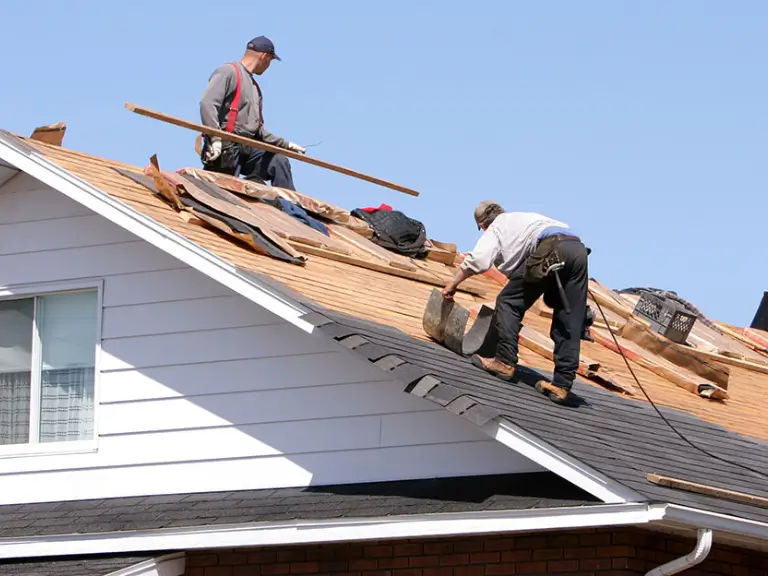
Your roof isn’t a lid on your house; it is more of a shield, a crown, the first thing that rain and snow and sunshine meet before they touch your home. Yet. Most people only think about it when something’s leaking.
The roofing style isn’t simply a matter of just ‘what looks nice in the brochure’. It’s about how it will handle the weather, your budget, and whether you’ll still like it ten years from now when you’re sitting on the porch, wondering why you didn’t just pick the other one.
Let’s walk through it step by step, with a mix of practicality and gut instinct.
First – What Do We Mean By a Roofing Style?
This is where folks get confused: Roofing style can mean:
- Roofs are available in a number of shapes, including: gable, hip, flat, mansard-the architectural stuff.
- The material on top-asphalt shingles, metal, tile, slate, wood.
And sometimes it’s both at once-the overall look, the slope, the covering.
The style you choose is a marriage of the two: the design that suits your home’s bones, and the material that can handle your climate without falling apart before its time.
Step 1. Check the Weather – Your Roof Will Live in it
Pretty is nice. But the weather wins every time.
- Hot, sun-heavy climates-you’ll want reflective, light-colored materials: metal, clay, concrete tiles, anything that bounces heat away.
- Snowy areas: steeper roofs, with durable shingles or metal, so that the snow slides off instead of becoming an ice dam.
- Rain-heavy areas: materials that don’t soak and rot. Asphalt shingles are great, as is metal and even synthetic slates.
- High-wind zones: choose materials with top wind ratings. Standing seam metal, heavy shingles, no cheap stuff.
If your roof can’t handle your weather, you’ll be replacing it long before you want to.
Step 2. Match Your Home’s Personality
Ever see a modern glass-and-steel home with a rustic cedar shake roof? Yeah… it feels off.
- Colonial-style homes: gable roofs with traditional asphalt shingles.
- Modern minimalist builds can be low-slope or flat with metal or membrane roofing.
- Farmhouses: steep gables with standing seam metal or clean, simple shingles.
It’s not about the rules; it’s about harmony-your roof should look like it belongs to the house, not like it’s been borrowed from the neighbor.
Step 3. Know your materials
Some are inexpensive but not durable. Some are beautiful but require a lot of maintenance.
- Asphalt Shingles
Affordable, easy to install, endless colours – but with a shorter lifespan: 15-30 years.
- Metal Roofing
These are durable, fire-resistant, and heat-reflecting. More expensive upfront, though it may last 40-70 years.
- Clay or Concrete Tiles
Very beautiful, suitable for hot climate conditions. Heavy, needs a strong frame, and also not cheap.
- Slate
Elegant, timeless, extremely durable, requiring a 100-plus-year lifespan. Very heavy, expensive installation requires professionals.
- Wood Shingles
Warm, natural, and beautiful, but most wood shingles require periodic maintenance and are a fire hazard unless treated.
Step 4. Think Long Game & Budget
Cheap now often means paying more later. That ‘affordable’ roof might need replacing in 15 years, while the expensive one lasts a lifetime.
If you’re not selling your home in the foreseeable future, invest in something durable. If it’s a starter home you’ll sell in 5-10 years, you might not need a 100-year slate roof.
Step 5: Maintenance
Some roofs you install and forget, while others have you booking annual inspections and repairs.
- Low maintenance? Metal, slate, and concrete tile.
- High maintenance? Wood shingles, untreated materials.
And remember, the more specialized the roof, the more specialized the repairs.
Step 6. Energy-efficient
Your roof is a huge part of your home’s insulation game. Light-colored roofs reflect heat. In fact, metal can be coated to bounce sunlight away.
Couple that with the right roofing and attic insulation; you’ll be surprised at the difference in your energy bills.
Step 7. Rules & Regulations
HOAs can be finicky: colors, shapes, even material selections. Cities have building codes: fire resistance, slope angles, and weight limits. Always check before you order a roof you can’t legally put up.
Step 8. The Installation Factor
Even the best roof will fail if installed badly. Slate, tile, and involved metal work? Takes pros who’ve been around the block. Asphalt shingles? Easier, but still-good workmanship counts a lot. A cheaper install may save you now but cost you thousands later.
Step 9. Try Before You Buy (Sort Of)
Many contractors and suppliers use 3D modeling tools that can show your home with different roof styles. Do it. The ‘perfect color’ in the store might look completely wrong when it’s stretched across your whole roof.
How to Choose a Roofer & Compare Bids?
A roof is only as good as the hands that put it up there. So before you sign anything, verify the roofer’s license, insurance, and actual customer feedback-not just the star rating, but the stories behind it. Does their work hold up? Do they finish on time? Do they leave the place clean, or will you be picking nails out of the driveway for weeks?
And when those bids come in, don’t just look at the big number on the bottom. Read the details. Same materials? Same warranty? Does the price include tear-off, underlayment, and disposal, or is that going to be a ‘surprise’ later? A low bid can be a great deal… or it can mean corners are being cut. The goal isn’t just the best price – it’s the best value for a roof that lasts.
Making the Right Choice
This is not the only factor in choosing a roofing style. It’s about balancing: What the climate demands. What your home’s design calls for. What your budget can handle. The right roof will protect, perform, and make your home look like your vision personified. So, take your time and ask questions, and don’t be afraid to mix a little style with a lot of common sense. Your home deserves so much more than guesswork; it deserves skill, honesty, and a crew who treats your home like their own. Let’s talk about your vision and build a roof you’ll love for decades.