
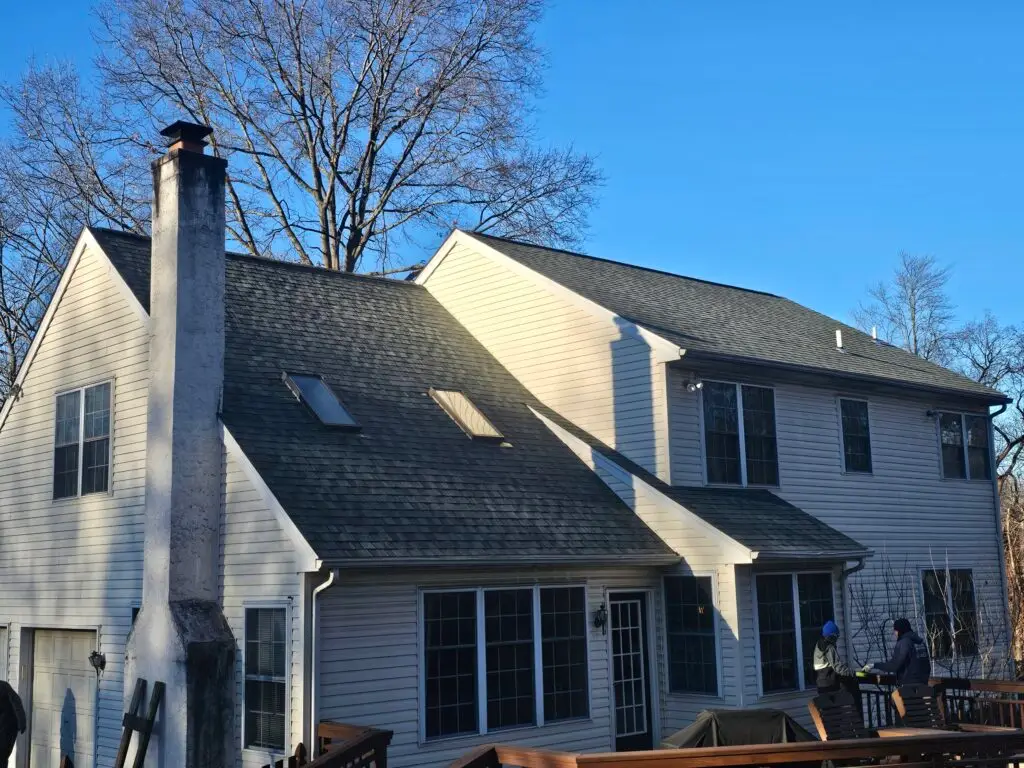
Summary:
Most skylights last about 15 to 30 years, with lifespan depending on material quality, installation, flashing, weather exposure, and maintenance. Warning signs such as leaks, water stains, fogging between panes, cracks, and drafts often indicate that repair or replacement is needed. Regular cleaning, debris removal, and annual professional inspections can help extend a skylight’s life and prevent costly water damage.
Waking up to water dripping onto your living room floor during a heavy rainstorm is a total nightmare. When tracking down the source, people usually blame missing shingles. But an aging skylight is often the hidden culprit.
We love the natural light these bring into dark hallways. We just forget these roof windows take a beating daily. They sit exposed to UV rays, driving rain, and temperature swings year-round.
Standard shingles hold up for 20 to 30 years, but your skylight might fail much sooner without basic upkeep. Because homeowners constantly ask us exactly how long do skylights last, we put together this comprehensive guide. We’ll walk you through the replacement timeline, warning signs, and how to get the most life out of your window.
What Is the Average Lifespan of a Skylight?
Most new skylights will survive for 15 to 30 years. “The actual timeline really depends on the quality of the material, the local weather and how well it was installed. With proper care you may prolong their lives. But UV damage and natural seal wear will eventually require a total replacement.
When we talk about lifespan, we have to look at the huge difference between standard glass and old-school acrylic domes.
Premium glass options, like Velux Skylights, hold up incredibly well against the elements. If the flashing stays intact and the roofer did their job right, they can easily hit that 20 or 30-year mark with very few issues.
On the flip side, cheaper acrylic or plastic domes usually tap out around 10 to 15 years. The sun literally bakes the plastic. Over time, it turns yellow, gets brittle, and starts to crack under pressure.
3 Major Factors That Affect Skylight Lifespan
Material Quality (Glass vs. Acrylic)
What your skylight is made of sets the baseline for how long it will survive. High-end Low-E glass fights off UV damage way better than basic acrylic. Plus, modern glass windows use argon gas between the panes for much better insulation. Spending a little extra upfront on tempered, energy-efficient glass buys you years of extra life and fewer headaches.
Installation and Flashing Integrity
Even the most expensive window on the market will leak in a few years if it gets installed wrong. Step flashing is the layered metal barrier that connects the window frame directly to your roof deck. If the installer cuts corners here or relies too much on caulk, water will find its way inside long before the actual glass fails.
Climate and Weather Exposure
Your local weather plays a huge role in how long these units last. If your home regularly gets battered by severe thunderstorms, heavy hail, or extreme summer heat, the seals will naturally wear out faster. Constant expanding and contracting from wild temperature shifts weakens the rubber gaskets and silicone edges over time.
5 Warning Signs Your Skylight Needs Replacement
Waiting too long to replace a failing unit usually results in rotting wood and damaged drywall. Keep an eye out for these five common red flags.
Visible Water Leaks and Stains
Water dripping directly from the interior frame is an obvious problem. But you should also look for brown water stains spreading across your ceiling drywall nearby. These are classic signs of a roof leak that demand immediate attention before toxic mold sets in.
Condensation Between Glass Panes
A little fog on the inside of the glass during a hot shower is totally normal indoor humidity. But if the glass is permanently foggy and you cannot clearly see the sky, the factory seal is broken. Ambient moisture has crept between the panes, meaning the window has lost its thermal insulation value forever.
Cracked Glass or Deteriorated Acrylic
Any physical damage means your home’s protective envelope is compromised. A heavy hail storm or a fallen tree branch can easily crack a pane. If you have an older acrylic dome that looks like a spiderweb of tiny surface cracks, it is absolutely time to swap it out.
Drafts and Loss of Energy Efficiency
Stand directly under the window on a cold winter day. If you feel a chill dropping down from the ceiling, the weatherstripping is shot. A drafty frame forces your heater to work overtime, jacking up your monthly energy bills and making the room uncomfortable.
Roof Replacement Synchronization
It makes zero sense to put a brand new roof around a 15-year-old skylight. Tearing off old shingles messes with the existing delicate flashing. If you need a full exterior overhaul, check out our roof replacement services so we can coordinate both jobs, secure the perimeter, and save you money on long-term labor.
Skylight Repair vs. Replacement: Which Is Better?
Homeowners ask us all the time if they can just fix a leak instead of buying a whole new window. Sometimes, yes. Minor exterior flashing issues can usually be repaired by a pro. But older units usually need a total upgrade to stay safe.
| Symptom | Recommended Action |
| Minor flashing failure or small external drips | Book a professional skylight repair |
| Permanent fog trapped between glass panes | Full skylight replacement |
| Persistent leaks on a 15+ year old unit | Full skylight replacement |
| Physical weather damage like cracked glass | Full skylight replacement |
Don’t waste your hard-earned money trying to patch a failing seal on a twenty-year-old window. It simply won’t hold up to the next big rainstorm.
How to Extend the Life of Your Roof Skylight
You can get years of extra life out of your window if you just do a little preventative maintenance every few months.
- Routine Cleaning: Wash the glass inside and out twice a year. Dirt and grime slowly break down protective coatings. Just make sure to use non-abrasive soap and soft cloths so you don’t scratch the surface.
- Clearing Debris From the Roof: Leaves, twigs, and pine needles love to pile up behind the upper frame. That wet debris traps moisture against the metal flashing, causing rust. Get up on a ladder safely and sweep it away every single fall.
- Annual Professional Inspections: Have a roofer check the unit once a year. We look for tiny hairline cracks in the sealant and make sure the exterior weep holes aren’t clogged up with dirt.
Pro Tip: Last spring, we inspected a 12-year-old skylight that completely failed simply because wet leaves sat piled on the top edge for three years straight, slowly rotting the rubber seal. Keep that area clean!
Why Trust Discounted Roofing LLC for Your Skylight Needs?
When you are dealing with a hole in your roof, hands-on field experience matters more than anything else. At Discounted Roofing LLC, our crew has spent years fixing residential roofing problems, tracking down stubborn hidden leaks, and installing heavy-duty roofing systems.
We believe in giving you the straight truth every time. We will never try to sell you a full replacement if a simple flashing repair will get the job done properly. Our team knows what materials work best in our local climate. Our entire goal is to keep your home completely dry, energy-efficient, and looking great for decades to come.
Frequently Asked Questions
Q: How often should skylights be replaced?
A. Most units need to be replaced every 15 to 30 years. Acrylic ones tap out closer to 10 or 15 years due to sun damage.
Q: Can a leaking skylight be repaired?
A. Yes, if the leak stems from loose flashing. But if the internal glass seal is broken, replacement is safer.
Q: Should I replace my skylight when getting a new roof?
A. Absolutely. Stripping old roofing disturbs the window’s flashing. Doing both together guarantees a watertight seal.
Q: How long do skylights typically last?
A. 15 to 30 years depending on materials used, quality of installation and annual maintenance.
Q: What factors affect the lifespan of a skylight?
A. Direct sun, extreme weather, flashing situation, and if you select glass or acrylic.
Q: How do I know if my skylight needs to be replaced?
A. Watch for active dripping, foggy condensation between panes, cold drafts, and brown water stains on your ceiling.
Q: Can a skylight last as long as a roof?
A. Not usually. A top-tier glass window might hit 30 years, but rubber seals usually wear out before an architectural roof does.
Q: How often should skylights be inspected?
A. Have a pro check them annually, or immediately after a major hail storm.
Q: What causes skylights to leak?
A. Most leaks are caused by rusty flashing, worn out rubber seals, improper installation or clogged drainage channels.
Q: How can I extend the lifespan of my skylight?
A. Keep the frame free of leaves. Clean the glass twice a year, and fix flashing problems instantly.
Conclusion
Knowing your roof skylight lifespan is the best way to avoid thousands of dollars in sudden water damage. These windows won’t last forever. But if you know exactly what warning signs to look for (like permanently foggy glass or spreading water stains) you can fix the problem before it ruins your ceiling and drywall.
Not entirely sure if your window is actually leaking or just dealing with some basic winter condensation? Give Discounted Roofing LLC a call today. We will come out, take a close look, and let you know exactly what is going on up there.