
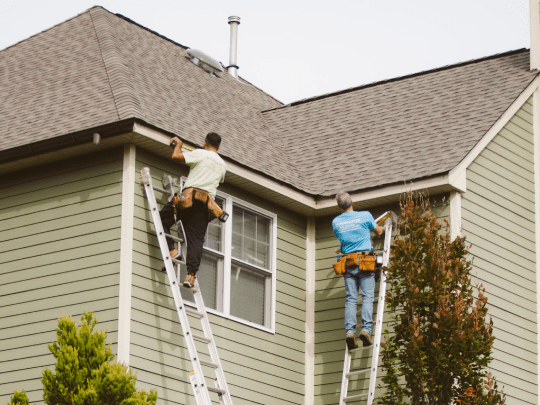
It is a stormy Tuesday night in your neighborhood, and a steady drip starts falling directly from your living room ceiling. A growing water stain spreads rapidly across the drywall as absolute panic sets in for your entire family. The immediate stress of the messy interior cleanup always brings up one very heavy financial question for homeowners. Does home insurance cover roof leaks when a major storm rolls through your area and damages your property?
The quick and direct answer is yes, but only if the water intrusion was caused by a sudden, accidental weather event like extreme wind or heavy hail. Standard policies are designed specifically to protect you from these unpredictable acts of nature that suddenly compromise your property. However, if the water is entering your house because of an old, neglected surface that simply wore out over time, the insurance company will deny the claim entirely.
At Discounted Roofing LLC, we see families stressing over expensive repairs. We are here to simplify the claims process so you know exactly what to expect before your adjuster arrives.
Understanding the True Cause of Your Water Damage and Home Insurance Roof Leak Coverage
The final decision on your claim depends on what actually caused the leak in the first place. Policies cover sudden, accidental weather disasters, but they do not act as a free warranty for old, worn-out materials. Your approval heavily relies on the physical condition of your roof right before the storm hits.
Many companies calculate your final payout using a tricky depreciation method known as Actual Cash Value. If your shingles are old, the adjuster subtracts that physical wear and tear from your settlement check. This standard financial clause can unfortunately leave you paying thousands of dollars directly out of your own pocket.
The Specific Perils Included in Standard Policies
Homeowners calling our office often ask exactly what type of roof damage is covered by insurance under a standard agreement. Standard home policies generally protect your property against extreme acts of nature and sudden accidents. If the damage stems from these specific events, the resulting interior water damage is usually approved.
- Severe windstorms physically tearing materials and protective underlayment completely off your house.
- Heavy hailstorms shattering your protective shingles and severely bruising the fiberglass matting beneath.
- Extreme winter snow accumulation causing dangerous structural buckling or severe ice dams on the eaves.
- Fallen tree branches puncturing the wood decking during a severe and unexpected neighborhood thunderstorm.
- Fire damage originating from direct lightning strikes or extreme heat from nearby property fires.
- Vandalism or malicious mischief caused by individuals illegally trespassing on your private property.
The Crucial Role of Regular Homeowner Maintenance
One of the biggest surprises for families is finding out that their lack of upkeep can entirely void a potential claim. Adjusters expect you to maintain your property in excellent condition all year round. Routine maintenance is considered a basic, undeniable responsibility of owning a house in your neighborhood.
If a leak happens because you ignored missing shingles for three years, the insurance company will quickly deny your claim. They classify this exact situation as neglect rather than an unavoidable accident caused by nature. You cannot claim ignorance when visible exterior damage has been sitting on your property for multiple seasons.
Water backing up under the shingles because your gutters are packed with autumn leaves is completely preventable. Therefore, any damage resulting from clogged gutters is almost never covered by standard residential policies. Keeping your gutters clean is the cheapest preventative maintenance you can provide for your home.
Actual Cash Value Versus Replacement Cost: Does Homeowners Insurance Pay for Roof Damage?
When figuring out exactly “does homeowners insurance pay for roof damage”, the final answer heavily depends on your specific policy language. Many standard policies calculate your settlement check based on the depreciated age of your exterior materials. This common depreciation method is known in the residential construction industry as Actual Cash Value.
If your asphalt shingles are old, you might only receive a very tiny fraction of the total replacement cost from the adjuster. They calculate the exact physical wear and tear, and then subtract that dollar amount directly from your final payout. This tricky financial clause can easily leave you paying thousands of dollars completely out of your own pocket.
Alternatively, comprehensive policies offer Replacement Cost Value, which pays the current market rate to install brand new materials. Knowing exactly which type of policy you hold is incredibly important before you officially invite an adjuster to your property. We always strongly recommend upgrading to a replacement cost policy if you live in a region prone to severe spring weather.
How Adjusters Decide Between Repair and Replacement
Families frequently wonder if the assigned adjuster will approve a full property replacement after a bad storm. People often ask, Is roof repair covered by insurance if the high winds only damaged a very small section over the attached garage? Your insurance provider will often pay for a localized fix if the rest of the structure remains completely sound.
Adjusters evaluate the physical scope of the damage to find the most cost effective solution for their corporate office. They are not obligated to replace the entire structure if a simple patch job will keep the bad weather out. A targeted repair is always their first choice to keep their financial payout as low as technically possible.
However, if the damage is widespread across multiple slopes, a full replacement might be deemed absolutely necessary by the field adjuster. The ultimate legal goal of the insurance policy is to make you completely whole again financially. They must restore the property to the exact condition it was in before the severe storm hit your town.
Understanding Strict State Matching Laws
If you only have severe wind damage on the back of your house, you might run into the dreaded material matching problem. Asphalt shingles fade rapidly in the hot sun over the years and lose their original vibrant color. A brand new shingle patch will stick out terribly against your older, weathered materials.
If an adjuster approves fixing just the back slope, the new shingles will look completely different from the old ones. Some states have strict matching laws that force the insurance company to replace the entire surface for a uniform appearance. They cannot legally leave your house looking like a poorly patched quilt.
Other states have no such laws, leaving you with a mismatched house that might violate your local Homeowners Association rules. A knowledgeable local contractor will understand the specific regulations in your state and fight for a proper visual match. We use local building codes to push back when they try to approve ugly, mismatched patch jobs.
Steps to Take When You Spot an Active Leak
Acting quickly is essential to protect your personal belongings when you spot water inside your house. Immediate action also prevents the insurance company from denying the claim due to further homeowner negligence. Follow these exact instructions to limit the destruction before the professionals arrive on site.
- Move all valuable furniture, expensive rugs, and electronics far away from the dripping water immediately.
- Place a large plastic bucket directly under the main drip to catch the heavy water volume safely.
- Lay down thick bath towels completely around the bucket to stop messy splashing on your clean floor.
- Take multiple clear, well lit photos of the interior water damage for your adjuster records.
- Call Discounted Roofing LLC immediately to schedule an emergency tarping and a full property inspection.
- Contact your local insurance agent to report the weather incident and officially start the claim process.
Interior Damage Versus Exterior Fixes: Is Roof Repair Covered by Insurance?
It is incredibly important to understand that a claim for a leak often involves two different parts of your house. You have the exterior surface materials outside and the delicate interior living space inside. Sometimes, the original cause of the leak is not covered, but the resulting damage inside your home is fully approved.
For example, if your chimney flashing fails simply due to old age, they will not pay for the actual flashing repair. That specific component failed because of normal wear and tear, falling entirely under your personal maintenance responsibilities. You will have to pay your contractor out of pocket to fix the exterior metalwork.
However, they might pay to replace the ruined drywall, insulation, and hardwood flooring caused by that sudden water intrusion. This tricky distinction explains exactly why people ask “does homeowners insurance pay for roof damage” in such incredibly confusing ways. The inside living space is covered, but the outside building material is not.
Pro Tip
Having a reputable local roofing company by your side during the formal adjuster visit is incredibly beneficial. The adjuster works for the massive insurance company, but your local contractor works exclusively for you and your best interests. We strongly advise that you never let an adjuster inspect your property alone without your chosen contractor present to point out the hidden storm damages.
Common Warning Signs Before a Major Leak Starts
Catching physical problems early prevents stressful emergency situations during a massive spring storm. You should regularly walk around your property to check for visible warning signs from the safety of the ground. If you spot any of these issues, call a local professional for an evaluation immediately.
- Dark, bald patches indicating missing protective asphalt granules across the main slopes.
- Shingles curling upward dramatically at the bottom edges and side corners.
- Cracked, torn, or completely missing asphalt shingles exposing the bare underlayment beneath.
- Heavy accumulation of loose asphalt granules sitting heavily in your aluminum downspouts.
- Sagging, visibly uneven areas appearing randomly on the main wooden deck structure.
- Visible daylight shining directly through the wooden boards when you stand up in your dark attic.
- Brown water stains appearing slowly around your interior chimney brickwork or ceiling corners.
Frequently Asked Questions
- Will my premium automatically go up if I file a storm claim?
A. Filing a single claim for an uncontrollable act of nature typically avoids raising your individual premiums directly. Insurance companies cannot legally single you out for a random weather event. However, if your entire ZIP code gets hit by a massive hurricane, regional rates might increase slightly for everyone in town. - Can I fix a leak myself to save money on my deductible?
A. We strongly advise against getting on a slippery, wet ladder yourself after a severe storm passes through. DIY fixes often void your manufacturer warranties completely and can easily cause the adjuster to deny your entire claim. Let trained professionals handle the temporary tarping safely while you wait for the official adjuster to arrive on site. - How long do I actually have to file a claim after a storm?
A. Most major insurance companies give you a strict window of exactly one year from the exact storm date. Waiting too long makes it extremely difficult to prove the storm directly caused the current water problem. Prompt action guarantees your payout is evaluated fairly based on the fresh, undeniable evidence left behind by the weather. - Should I call my insurance company or a local contractor first?
A. Call a trusted local contractor first for a thorough and completely safe property evaluation. We verify if the actual damage is severe enough to warrant filing a formal claim on your permanent record. This smart step prevents unnecessary claims that fall entirely under your deductible amount and waste your valuable time. - Does standard insurance cover mold removal from a leaky ceiling?
A. Mold remediation is usually covered only if it results directly from a sudden, covered water event like a burst pipe. If toxic mold grew because you completely neglected a slow ceiling leak for months, removal costs fall directly on you. Fast cleanup and immediate reporting are absolutely required to secure your full insurance payout for any dangerous mold issues. - What happens if the adjuster denies my initial claim completely?
A. If your claim is denied, you have the absolute right to request a second inspection with a completely different adjuster. Your contractor can provide additional photographic evidence and professional building codes to strongly support your formal appeal. Sometimes, hiring a licensed public adjuster is the best next step to fight a stubborn denial from the insurance company.
Conclusion
Dealing with water pouring into your living room is incredibly stressful for any family. Knowing exactly what your specific policy covers and keeping up with routine maintenance prevents the insurance company from finding easy excuses to deny your claims. Always address small exterior issues immediately before they turn into major interior leaks during the very next severe rainy season.
If you strongly suspect recent storm damage, our experienced local team at Discounted Roofing LLC is here to provide an honest, thorough property assessment. We happily handle the stressful back and forth negotiations with the adjuster so you can simply focus on getting your family back to normal. Whenever you are ready to make sure your property is fully protected, simply give our office a call (215-431-2343) to schedule a complete evaluation.