
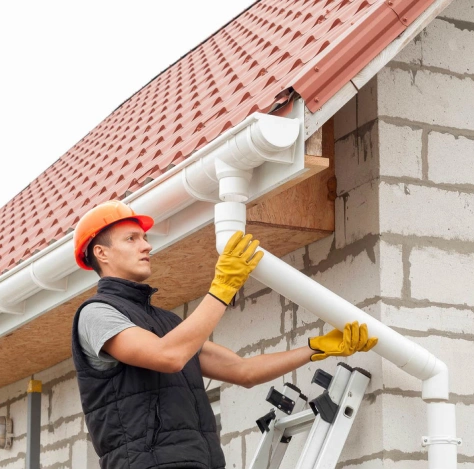
A nasty storm rolls in, the wind goes crazy, and suddenly a brown water spot starts growing on the living room ceiling. Our first instinct is usually to grab the ladder from the garage and patch it up before having to write a huge check to a contractor.
While a handful of weekend patches genuinely take under an hour and save us a ton of money, messing up even a tiny detail can completely wipe out our manufacturer warranty. It happens way more often than people think. That is exactly why we need to set some hard boundaries right now.
We really have to know the difference between standard DIY roof repairs and the stuff that belongs firmly out of our hands. We are going to look at the small tasks we can actually pull off safely, highlight the hardware store materials we should never buy, and point out the projects that always end in a disaster without professional training.
The DIY Home Maintenance Trend in 2026
In 2026, homeowners are jumping on the DIY bandwagon to keep property costs down. We see more people watching online tutorials every single day. Neighbors are heading to the hardware store to tackle weekend projects.
The urge to be self-sufficient is stronger than ever. But working at that altitude carries a totally different risk level. Botching a simple roof leak repair easily leads to severe interior water damage.
It causes hidden mold growth and rotting structural wood. One wrong step on loose shingle grit can put us in the hospital. Figuring out our actual limits is the smartest financial decision we can make for our houses.
Assessing Our Limits Before Climbing
Before we even open the garage door to grab our tools, we must assess the situation. Is the surface steeply pitched? Is the surface completely dry? If the answer to the first is yes, or the second is no, we stay on the ground.
We should only consider getting up there if the weather is perfectly clear. Even morning dew can turn asphalt into an ice rink.
We must never underestimate how slippery an angled surface becomes with just a little moisture. Do we have the balance required for this task? There is zero shame in admitting a project is out of our depth.
Roof Repairs We Can Safely Handle
For those wanting to tackle minor roof repairs, we strongly suggest sticking to jobs that do not require tearing up the structural decking. We should never remove large sections of material on our own.
We can handle tasks that are localized to a single spot. If a problem is isolated to one square foot, it is generally manageable. We can confidently clear out seasonal debris.
We can secure loose hardware. We can patch tiny punctures before they become headaches. These small victories give us a great sense of accomplishment. But we must remember that our goal is mitigation, not renovation. We are applying bandages, not performing major surgery on the framing.
Replacing Missing or Damaged Asphalt Shingles
Swapping a torn shingle is a straight forward part of minor roof repairs when done right. We wait for a warm afternoon so the asphalt stays flexible.
Gently lifting the shingle above the damaged one, we use a flat pry bar to carefully pull the old nails.
We slide the new shingle into place, secure it with hot-dipped galvanized steel nails, and apply a tiny dab of cement over the heads to completely seal them.
Applying Roofing Sealant to Minor Leaks
If we spot early signs of a leak from an exposed nail or cracked vent boot, applying a specialized sealant buys valuable time before needing a full roof leak repair.
We always use a dedicated exterior-grade elastomeric sealant, never standard bathroom caulk. After cleaning the area thoroughly with a wire brush, we apply a generous bead of sealant and smooth it out to ensure a watertight bond.
Cleaning Gutters and Removing Debris
Clearing pine needles, mud, and wet leaves from our gutters is arguably the most critical roof maintenance chore we can perform.
Clogged gutters force heavy rainwater under the metal drip edge, rotting the wood fascia boards almost instantly. It creates a perfect environment for destructive pests.
Wearing thick leather gloves, we manually scoop out the heavy debris. Finally, we flush the downspouts with a garden hose to make sure water flows safely away from the foundation.
Essential Safety Gear Before Climbing
Before a foot touches that bottom rung, we must check our boots. We always wear soft-soled rubber boots specifically designed for maximum grip.
When reviewing standard roofing safety tips, proper ladder placement comes first. We set the extension ladder on flat, solid ground. We never place it on soft mud or wooden decks.
We follow the classic four-to-one rule, for every four feet we climb, the base sits one foot from the wall. We ensure it extends three feet above the gutter line, and we must never work alone.
Harnesses and Fall Protection Systems
If we are working higher than a single story, we need to take extra precautions. We should invest in a proper fall protection kit immediately.
A standard setup includes a full-body harness, a shock-absorbing lanyard, and a heavy-duty anchor attached directly to the solid wooden trusses.
We never attach our safety lines to a chimney or a decorative feature. Wearing a harness might feel awkward initially. It takes a few minutes to adjust the straps so they fit snugly. That minor inconvenience is nothing compared to suffering a severe fall.
The Do Not Touch List
There are specific situations where we must swallow our pride and call for an emergency roof repair. If we look at the roofline and see a visible sag, we must step down immediately. A sagging deck clearly indicates rotting underlying wood.
Complete tear-offs require commercial dumpsters, heavy lifting, and local building permits. More importantly, it leaves the entire house fully exposed to unpredictable weather.
Handling large-scale tear-offs is a huge logistical challenge. Professional crews have the manpower to finish a property in days. A solo homeowner might take weeks, leaving the home vulnerable to sudden rainstorms.
Complex Flashing Around Chimneys
Chimney and skylight leaks require custom-bent metal. They also require specialized ice and water shield layers. Instead of attempting a patch job, we must reach out to a professional contractor to handle the complex geometry.
Water always finds a way in around chimneys if the flashing is not perfect. It involves integrating step flashing with counter flashing properly.
We see many well-intentioned people try to fix these intersections with immense amounts of tar. Tar is incredibly messy, looks terrible, and almost never holds up to the elements. We must leave intricate metalwork alone to avoid rebuilding waterlogged masonry fireplaces later.
Why Trust Discounted Roofing LLC
At Discounted Roofing LLC, we actively empower local homeowners to do safe maintenance. We believe that an educated homeowner is our very best client. But our core mission revolves around protecting long-term structural integrity.
We want our community to be safe and dry all year long. We have spent years stepping in to fix well-intentioned weekend projects that accidentally turned into major problems. We see the same mistakes repeatedly, like indoor caulk applied outside.
If we need an emergency roof repair after a severe storm, we provide reliable service we can count on.
Preventive Maintenance To Stop Leaks Early
The best way to avoid massive service bills is by catching issues early. We walk the property every spring and fall to look for missing tabs or rusted metal.
We use a pair of binoculars to inspect the upper ridges safely from the ground. Catching these tiny failures before it rains saves us from dealing with interior water damage.
Sticking to a routine roof maintenance schedule is the real secret to getting a full lifespan out of building materials. We keep large tree branches at least ten feet away from the structure to prevent impact damage.
Important Things to Remember for Homeowners
We put together these final roof repair tips to keep everyone safe and dry. We must treat these rules as laws when working on our properties:
- We always verify the extension ladder is secure on flat ground before climbing.
- We stick to fixing simple, flat, low-slope issues and avoid steep pitches entirely.
- We locate the true source of water inside the attic before applying temporary patches outside.
- We avoid spreading cheap hardware stores caulk over a leak because it fails quickly.
- We document the condition of the home twice a year with photos to spot changes early.
- If the wooden decking feels soft or spongy under the boots, we get off the structure immediately.
- We clear debris from our gutters at the end of every single autumn season.
Final Thoughts on Weekend Projects
Handling basic maintenance around the house keeps money in our pockets. It builds immense confidence and pride in homeownership. But knowing exactly when to step back saves the entire home.
We must recognize the line between a quick fix and a structural hazard. Crossing that line usually ends in disaster and deep regret. We must always prioritize our physical safety over a fast financial fix.
No amount of saved money is worth a serious ladder fall. If a task feels slightly out of our comfort zone, it definitely is too risky.
Let Discounted Roofing LLC keep the home watertight, safe, and fully secure for generations to come.
Frequently Asked Questions
Q. What’s the smartest way to handle minor roof repairs on our own?
A. We always suggest sticking to flat or low-slope sections. We can easily clear out debris, patch up a small area, or seal exposed nail heads without taking on too much risk.
Q. How do we actually track down the true source for a roof leak repair?
A. The trick is to look inside the dark attic first. Water naturally runs down the wooden rafters, so the actual hole is usually much higher up on the slope than the wet spot on our ceiling.
Q. At what point should we call in a professional for an emergency roof repair?
A. We need to bring in an expert the second we notice our decking starting to sag, see severe structural rot, or lose large patches of shingles after a major storm.
Q. What are the absolute must-know roofing safety tips before getting started?
A. We have to wear soft-soled rubber boots for proper traction. Plus, we must always double-check that our extension ladder is firmly locked on flat, solid ground before making that climb.
Q. How often do we really need to do routine roof maintenance?
A. Walking the property twice a year,once in the spring and again in the fall—is our best bet for catching missing tabs or rusted metal before things spiral out of control.
Q. Where should we look for solid roof repair tips when planning a weekend project?
A. We should rely on advice from experienced local contractors and always read the exact manufacturer guidelines before putting any kind of adhesive on the house.
Q. Can doing this work ourselves mess up the manufacturer’s warranty?
A. Yes, it absolutely can. If we install things the wrong way or use unapproved materials, the manufacturer will instantly cancel our coverage.