
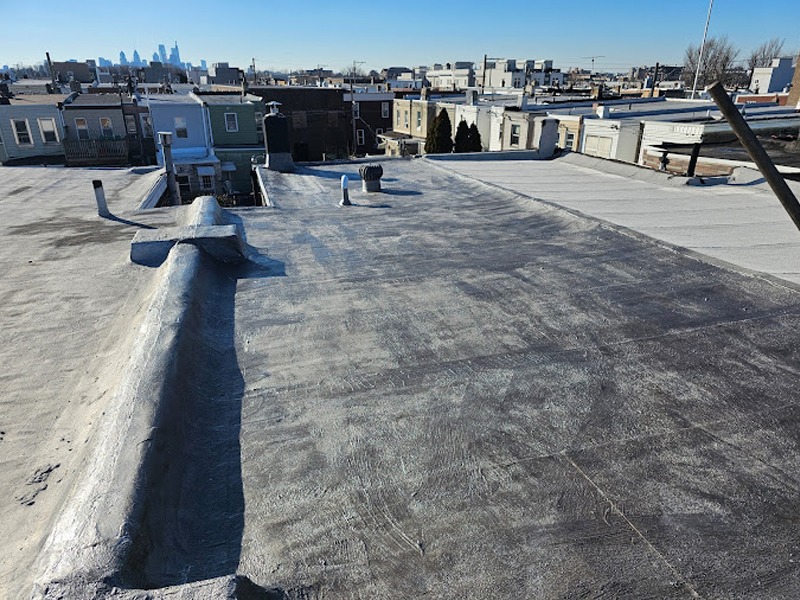
Summary: Installing new shingles over an existing roof may seem like a cost-saving option, but homeowners must understand the risks, building code limits, and potential impact on roof durability and warranties. While a second layer of shingles may be allowed in limited situations, issues like added weight, trapped heat, hidden deck damage, and reduced lifespan often make a complete tear-off and inspection the safer choice. Discounted Roofing LLC recommends professional roof evaluations to identify underlying problems and provide a durable replacement solution that protects the home long-term.
When a residential roof begins to show its age, starts leaking during heavy seasonal rainstorms, or loses granules by the handful into the gutters, replacing it is rarely an inexpensive project. Once the official price estimates start rolling in from local roofing contractors, it is completely normal for any homeowner to look for practical, budget-friendly ways to cut back on project expenses. One of the most frequent questions professionals hear during initial consultations is how many layers of shingles should be on a roof, and whether it is possible to skip the messy demolition phase altogether.
Slapping a brand-new set of architectural shingles directly over an old, weathered roof sounds like a brilliant, money-saving shortcut to sidestep heavy labor fees. In reality, though, choosing a quick shingle overlay can backfire in ways that cost you thousands of dollars more in hidden structural damage down the line. If you are researching options for multiple layers of roof shingles, you need to know how many layers of shingles are allowed by municipal inspectors, how many layers of shingles can a roof have before structural failure threatens your framing, and how many layers of shingles are recommended by industry standards for maximum durability. Let us examine what building codes permit, what extra weight does to your home, and how to make the right choice for your next roof replacement.
The Standard Rule: How Many Layers of Shingles Are Allowed?
City inspectors follow municipal guidelines, which set a hard cap on asphalt shingles for any residential home. If your roof already has multiple layers piled up, local rules mean you have to strip everything down to bare wood before any new materials go up.
What the International Residential Code (IRC) Says
Building regulations and municipal codes exist for a very important reason: to prevent catastrophic structural failures and protect your family from sudden roof collapses. The International Residential Code establishes a strict, non-negotiable limit regarding how many layers of shingles are allowed on standard pitched residential roofs, capping most homes at a maximum of two. If a rogue contractor attempts to install a third layer onto your home, they are directly violating local building codes. Furthermore, doing so will almost guarantee that your home fails a standard real estate inspection the day you decide to put it on the open housing market.
How Multiple Layers Impact Your Roof Warranty
Homeowners frequently overlook the devastating impact that multiple layers of roof shingles have on manufacturer protections and product warranties. If you install brand-new asphalt shingles over old, warped, uneven, or damaged materials, major manufacturers will void your material warranty instantly on installation day. Shingle manufacturers explicitly require a completely flat, clean deck so that the factory-applied adhesive sealing strips can activate properly under solar heat and withstand high-velocity winds and driving rainstorms. Without that flat foundation, your roof becomes vulnerable to wind uplift and premature failure.
Shingle Overlay vs. Tear-Off: Pros and Cons
When Roofing Over Existing Shingles Makes Sense
Reroofing over shingles does have specific, narrow scenarios where it makes practical sense on paper. It lowers immediate labor costs by eliminating disposal fees and hours of manual scraping, and it can cut total project timelines down significantly. This approach is generally acceptable only when your roof features a single, perfectly flat layer of standard 3-tab shingles, shows zero structural sagging or soft spots, and you are installing durable architectural shingles directly over the top. Even under these ideal conditions, many seasoned builders still advise against it.
The Hidden Dangers of Reroofing Over Old Shingles
- Added Weight: Roofing materials are remarkably heavy. Tacking a second heavy layer onto the house dumps thousands of extra pounds of dead weight straight onto your aging ceiling joists and roof structure.
- Trapped Heat: Stacking multiple layers creates an oppressive thermal blanket. Excessive heat gets trapped in the attic space rather than dissipating, baking your new shingles from both sides and cutting their usable lifespan.
- Hiding Deck Damage: If you fail to strip the old roof down to the raw wood, crews cannot inspect the plywood sheets or replace damaged, water-logged roofing underlayment and roof decking.
Why Choose Discounted Roofing LLC for Your Roof Replacement?
At Discounted Roofing LLC, our field crews have spent decades stripping, repairing, and rebuilding residential roofing systems across the region. We refuse to pitch cheap, lazy overlays when a home’s structural safety is on the line. Our team believes in honest evaluations, fair pricing, and dependable craftsmanship backed by full local licensing and insurance. When we climb up to inspect your property, we calculate the exact roof weight your framing is holding and hand you a photo-documented report of your actual roof decking before we ever discuss a contract.
4 Signs Old Shingles Should Be Removed Before Reroofing
- You Already Have Two Layers: Building rules leave no room for negotiation here, it is time for a full tear-off to keep your home code-compliant.
- Shingles are Curling, Buckling, or Missing: If the base surface is uneven, your brand-new roof will look bumpy, distorted, and fail prematurely due to damaged shingles or curled shingles.
- The Roof Deck is Sagging or Spongy: That bouncy feeling under your boots indicates that moisture has penetrated, active roof leaks have set in, and rot has deeply weakened the wood.
- Ice Dams and Active Leaks: You need fresh ice and a water shield applied directly to bare timber to stop moisture intrusion for good.
Want a professional set of eyes on your property? Schedule a free structural roof inspection with our experienced team today.
Frequently Asked Questions (FAQ)
Q. How many layers of shingles should be on a roof?
A. Ideally, you want just one single layer. Sticking to one layer gives your roof decking room to breathe, keeps attic temperatures under control, and leaves your roof warranty completely intact.
Q. Is it really okay to stack a second layer of shingles right on top of my old roof?
A. Sometimes, yes. But only if your current roof is completely flat, the wood underneath is totally rock-solid, and your local city building department actually permits two layers of shingles in your neighborhood.
Q. Can I get away with putting three layers of shingles up there?
A. Honestly, absolutely not. Local building inspectors and roofing contractors will shut that down immediately because three layers add a dangerous amount of dead weight that can literally cause your roof structure to sag or collapse.
Q. Does a second layer of shingles add too much weight?
A. More often than people realize. Roofing bundles are heavy, often pushing 80 pounds each, so adding a whole extra layer dumps tons of dead weight onto your house framing and increases total roof weight.
Q. Should old shingles be removed before installing new ones?
A. We always recommend it. Tearing everything down to the bare wood lets us catch hidden water damage, replace rotten plywood, and guarantee your roofing underlayment and roof flashing seal down tight.
Q. How do you know how many layers of shingles are on a roof?
A. Climb up safely onto a ladder and take a close look at the exposed side profile along the edge of the roof or gable rake, where the stacked shingle tabs are easy to spot.
Q. Will adding a second layer of shingles ruin my roof faster?
A. It definitely cuts its life short. The old roof traps heavy attic heat like an oven, baking your brand-new shingles from underneath and causing them to shed protective granules years early, which drastically reduces overall roof lifespan.
Q. Is it cheaper to put new shingles over old ones?
A. Up front, yes, because you skip disposal fees and labor hours. But because it burns through your roof’s lifespan and hides structural rot, it usually costs way more down the road.
Q. Will a second layer of shingles hide roof leaks?
A. It hides them, but in a bad way. Instead of fixing the leak, the overlay just traps moisture against your plywood decking, turning a minor drip into severe structural rot and worsening underlying roof leaks.
Q. When should multiple layers of shingles be removed?
A. Right away. If your roof is visibly sagging, leaking into the house, or already weighed down by two old layers from a past owner, it is time for a full tear-off and a professional evaluation of your roof ventilation.
Conclusion
At the end of the day, deciding whether to pile new materials over old ones comes down to playing it safe and following local building guidelines. Taking shortcuts might shave a little off today’s bill, but gambling with your home’s structural framing always catches up to you. Talk to a crew you trust, strip off the wear and tear, and put a solid roof over your head that will stand strong for decades.