
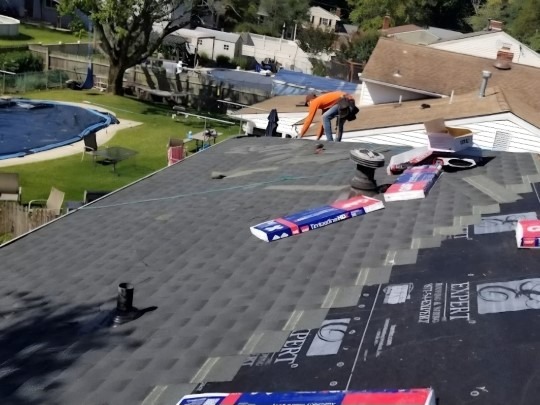
Replacing your roof is a big expense. It’s the kind of project you want to do exactly once, do it right, and never think about again for a few decades. Nobody wants to deal with surprise ceiling leaks or sudden repair bills that drain their savings.
So, what is the average lifespan of different roofing materials? In short, standard asphalt shingles last 15 to 30 years, while premium materials like metal, tile, and slate protect homes for 50 to over 100 years. Understanding your options gives you peace of mind and keeps your bank account safe from sudden, catastrophic repair bills.
But have you ever noticed how two identical houses in the same neighborhood can have totally different roofing issues? One roof lasts thirty years, while the neighbor needs a full tear-off after just fifteen. It happens all the time. The secret lies in a few hidden factors that most property owners completely ignore.
Let’s break down exactly how long different materials actually last in the real world. We will look at the numbers, the materials, and what really happens up there on your roof. By the time you finish reading, you will know exactly what to look for. If you feel unsure about what is going on over your head, getting a professional roof inspection is always your safest bet to catch small problems early.
Why Understanding Roof Life Expectancy Matters
Your material choice does a lot more than just change how your house looks. It impacts your property value. It changes your home insurance rates. It also dictates your maintenance budget for the next thirty years. Knowing the true average roof lifespan helps you figure out the real return on your investment.
Don’t just stare at the initial price tag. A cheap roof might look great on an estimate today. But if you have to rip it off and replace it twice, it ends up costing you way more in the long run.
On the other hand, spending a little more upfront on a premium material usually means you skip that second replacement entirely. Tracking your roof replacement timeline helps you budget properly. It stops water damage before it starts. Most importantly, it keeps you from making a rushed, expensive decision during a storm emergency.
Average Lifespan by Roofing Material
Here is a quick look at how different materials stack up. Keep in mind that these numbers assume your roof was installed correctly in the first place.
| Roofing Material | Average Lifespan | Best For |
| Asphalt Shingles | 15 to 30 years | Great for tight budgets and matching any home style |
| Metal Panels | 40 to 70+ years | Perfect for rough weather and cutting high energy bills |
| Cedar Wood Shakes | 20 to 40 years | Gives historic homes that classic, natural appearance |
| Clay & Concrete Tile | 50 to 100 years | Ideal for hot, sunny areas since they won’t catch fire |
| Natural Slate | 75 to 150+ years | The ultimate choice for luxury homes you want to last forever |
Asphalt Shingles (15–30 Years)
Drive down almost any street, and you will see asphalt. They are affordable, look great, and go up fast. But how long they survive depends entirely on the specific type you buy.
3-Tab vs. Architectural Shingles
Basic 3-tab shingles are completely flat. They lay down in a single layer and usually last about 15 to 20 years. They get the job done on a tight budget.
Architectural shingles are a completely different story. They are thicker and layered, giving your roof a textured look. Because they carry more weight and hold up better against high winds, they typically push 25 to 30 years.
Metal Roofing (40–70+ Years)
Metal is getting incredibly popular for residential homes. It handles rough weather easily and reflects heat to keep your summer power bills down.
Standing Seam vs. Corrugated
The way the metal is attached changes everything. Standing seam roofs hide their screws completely. The fasteners are tucked away safely under the metal panels out of the sun and rain. This clever design is exactly why metal roofs last longer than shingles.
Corrugated metal is cheaper but leaves the screws exposed. Over time, the sun bakes the rubber washers on those screws. They crack, they dry out, and they eventually let water in.
Clay and Concrete Tile (50–100 Years)
You see tile everywhere in hot, sunny areas. It handles brutal summer heat and harsh UV rays without breaking a sweat.
Concrete tiles give you a solid 50 to 70 years. Fired clay tiles can easily break the 100-year mark. Neither of them will ever burn or rot. The big catch? They are incredibly heavy. You have to make sure your home’s framing is reinforced to hold that kind of weight safely.
Slate Roofing (75–150+ Years)
People call slate the forever roof for a good reason. You pay a heavy premium upfront, but you get a roof that basically never wears out.
It is solid, natural stone. Fire can’t touch it. Bugs can’t eat it. A good slate roof will often outlive the people who installed it. For historic or luxury homes, it is the ultimate upgrade.
Wood Shakes and Cedar Shingles (20–40 Years)
Wood offers a beautiful, rustic look that turns silver-gray as it ages. It is a classic choice.
Standard cedar shingles usually give you 20 to 30 years. Thicker, hand-split wood shakes can push 40 years. But you have to work for it. Wood requires serious upkeep. You have to clean off moss, sweep away wet leaves, and apply treatments to keep it from drying out or catching fire.
Flat Roof Materials (10–30 Years)
Flat roofs need a solid waterproof sheet to cover them as gravity can not drain water from flat roofs.
Materials like EPDM rubber or TPO membranes are built for this. The sun and foot traffic slowly wear them down, but they provide great seamless protection. You can expect about 10 to 30 years out of them, depending mostly on your local weather patterns.
5 Hidden Factors That Shorten Your Roof’s Lifespan
Even the most expensive slate or metal will fail if you ignore the basics. Avoid these common mistakes.
- Bad attic ventilation. This traps hot air up high. It literally bakes your shingles from the inside out, making them brittle.
- Rough weather. Heavy hail cracks the fiberglass matting. High winds rip off loose edges.
- Ignoring simple maintenance. Letting wet leaves sit on your roof gives water a place to hide. Clogged gutters push water straight back into the wood holding your roof up.
- Sloppy installation. If the crew drives nails too high or forgets the waterproof underlayment in the valleys, your roof is doomed from day one.
- Extreme temperature swings. Quick jumps from freezing nights to hot afternoons make materials expand and shrink too fast, breaking their seals.
Pro Tip: Darker shingles absorb a lot more heat. In really hot areas, they can actually age a bit faster. Good attic airflow fixes this problem.
Signs It’s Time for a Roof Replacement
Do not wait for water to start dripping on your living room floor. Pay attention to your house. Watch out for these obvious signs your roof needs replacement.
- Shingles are curling up at the edges or buckling in the middle.
- Your gutters are full of black, sand-like granules.
- You see bald spots where the protective coating has completely washed off.
- The roofline looks wavy or sags in the middle.
- You climb into the attic during the day and see sunlight shining through the boards.
- You are constantly calling a guy to patch a new leak every few months.
Why Trust Discounted Roofing LLC?
At Discounted Roofing LLC, we don’t just read manuals and quote numbers. We have spent years climbing on roofs, tearing off old shingles, and laying down new ones. We know firsthand what winter ice and summer humidity do to cheap materials in our area.
Just last spring, we had to tear off a 12-year-old roof. The shingles were completely fried. Why? The previous installer blocked the soffit vents. The attic couldn’t breathe.
We see this stuff all the time. Our goal is to give you straight talk and no gimmicks. We do things by the book so your manufacturer’s warranty actually stays valid. We believe in being upfront, doing the work right, and making sure your home is safe for the long haul.
Proactive Steps to Maximize Your Roof’s Lifespan
You can’t control the weather, but you can control how you take care of your house. A little bit of effort adds years to your roof.
- Clean your gutters twice a year. Keep the water flowing away from your house, not backing up into your wood trim.
- Trim the trees back. Branches scraping against your roof act like sandpaper. They scrape off the protective granules with every gust of wind.
- Check the flashing. Make sure the metal pieces around your chimney and pipes aren’t rusting or pulling away.
Conclusion
Knowing the real lifespan of roofing materials is the greatest method to protect your home. When you know what kills a roof early (like bad airflow or clogged gutters) you can fix those things before they cost you money. Don’t wait for a disaster. Stay proactive. Keep track of how old your roof is, and you will get the most out of your investment.
Are you completely unsure about how many years your roof actually has left? Don’t wait for the next big storm to find out the hard way. Visit our website right now to schedule your completely free, no-pressure estimate. Let our local crew take a look and give you honest answers.
Frequently Asked Questions (FAQ)
Q. What roofing material lasts the longest?
A. Slate and clay tiles take the top spot. They easily last over 100 years. Because they are natural stone and baked earth, they simply do not rot or burn.
Q. How long do asphalt shingles typically last?
A. Basic 3-tab shingles usually last 15 to 20 years. The thicker, upgraded architectural shingles can comfortably last 25 to 30 years if installed right.
Q. What factors shorten a roof’s lifespan?
A. Bad attic ventilation is the biggest killer. It traps heat and cooks the roof. Hail storms, bad nailing by cheap crews, and lack of maintenance also ruin roofs fast.
Q. How do I know when my roof needs replacing?
A. Look for curled edges on your shingles. Check your gutters for heavy granule loss. Look closely at your roofline to see if it sags in the middle.
Q. Does a new roof lower insurance premiums?
A. Yes, it often does. Putting on a modern, impact-resistant roof can get you a nice discount from your insurance company. Call your agent to check your policy.