
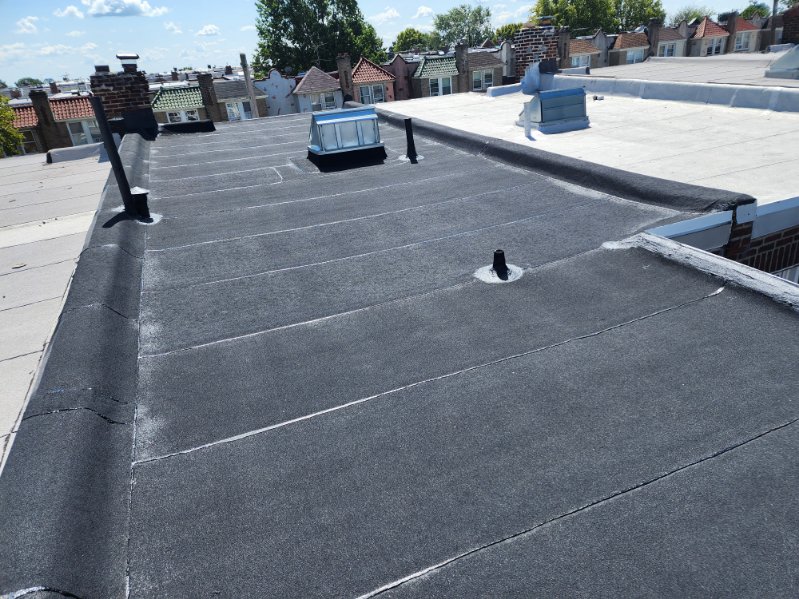
There’s nothing that quite compares to the feeling of a room drenched in natural light. Whether it’s a kitchen that finally feels spacious or a master bathroom that feels like a high-end spa, skylights are easily one of the best upgrades a US homeowner can invest in. However, let’s be real for a minute: a skylight is essentially a deliberate hole in your roof. To keep that luxury from turning into a disaster for your drywall, staying consistent with your Skylight maintenance is the only way to ensure your home stays dry and your energy bills don’t skyrocket.
At Discounted Roofing LLC, we’ve spent two decades fixing the “unfixable.” We’ve seen what happens when a simple $50 maintenance task gets ignored for five years; it inevitably turns into a $5,000 interior restoration project. The American climate is brutal on roofing components. From the heavy snow loads and ice dams in the Northeast to the blistering, seal-cracking UV rays in the South, your skylights are under constant pressure every single day.
Maintaining your home shouldn’t feel like a second full-time job, but it does require a proactive eye. If you treat your skylights like a “set it and forget it” feature, you’re basically just counting down the days until a leak happens.
The Reality of Wear and Tear on Glass Roofs
Most homeowners don’t actually think about their skylights until they spot a yellow stain on the ceiling or see their roof leaking during a summer thunderstorm. By the time that happens, the damage isn’t just starting; it’s usually well underway.
Think about the materials involved in a standard unit. You have glass or acrylic, metal flashing, and rubberized gaskets. These materials all expand and contract at completely different rates when the sun hits them. Over time, that constant movement creates tiny gaps. If the rubber gets brittle from the sun, it loses its “squish,” and that’s exactly when water finds an invitation to get inside.
Then there’s the debris factor. Leaves, pine needles, and those pesky helicopter seeds from maple trees love to settle in the channel right above the skylight frame. This creates a dam. Instead of water flowing freely down to your gutters, it pools against the seals. Even the best-installed skylight in the world isn’t designed to be a submarine; it simply cannot handle standing water for long periods of time without failing.
Your Essential Skylight Maintenance Checklist
We generally recommend doing a deep dive into your skylights at least twice a year, once in the spring after the ice has finally melted, and once in the fall before the leaves really start dropping. To make it easier for you, here is a practical Skylight maintenance checklist of exactly what you (or your roofer) should be looking for:
1. Inspect the Flashing Armor: The flashing is the metal border that bridges the gap between your shingles and the skylight frame. Look for any lifting, rusted spots, or gaps. If the flashing is loose, water will slide right under your shingles and onto your rafters.
2. Clear the Debris Dams: Use a soft brush to clear out any gunk trapped around the frame. You want a clear, unobstructed path for water to travel around the unit and down the roof.
3. Check the “Weep Holes”: Most modern units have tiny holes designed to let condensation escape. If these are plugged with dirt or spider webs, that moisture stays trapped inside the frame and can start rotting the wooden structure of your roof from the inside out.
4. Examine the Interior Drywall: Go inside and look at the corners of the skylight well. Look for bubbling paint, peeling tape, or any discoloration. Even a tiny “water map” on the ceiling is a sign that a seal has failed somewhere up top.
5. Test the Mechanics: If you have venting skylights (the ones that actually open), crank them open and shut. Listen for grinding. Check the hinges for rust. A skylight that doesn’t close perfectly is a major source of energy loss.
6. The Fog Test: Look for moisture trapped inside the double-pane glass. If it looks foggy and you can’t wipe it away from either side, the factory seal is blown. This means your insulation power is gone, and your HVAC system is working harder than it needs to.
Spotting the Silent Red Flags
You don’t need a construction degree to know when something is wrong, but you do need to know the difference between a crisis and a minor issue. For instance, condensation is a common complaint in colder parts of the USA. When it’s 20°F outside, and you’re boiling a pot of pasta inside, moisture is going to collect on that cold glass. That’s a humidity issue, not a leak.
However, if you see consistent dripping during a light rain, or if you notice the wooden frame of the skylight is starting to turn dark or feel soft to the touch, you’re looking at a structural failure. Early detection is the difference between a simple, affordable repair and a full-scale roof replacement.
Why a Professional Eye Saves You Thousands
We’ve been in this trade for 20 years, and we’ll tell you straight: some things are great for DIY, but skylights usually aren’t one of them. Walking on a roof is dangerous enough, but knowing how to properly “step-flash” a window into a shingle system takes real, hands-on experience.
When the team at Discounted Roofing LLC comes out, we aren’t just looking at the glass. We’re checking the health of the shingles surrounding it. Often, a skylight leak is actually a problem with a roof vent three feet above it, and the water is just traveling down the rafters until it hits the skylight opening. A pro knows how to trace water, and water is the sneakiest enemy a homeowner has.
Additionally, many manufacturers have very specific requirements for their warranties. If you try to fix a leak with a bucket of tar from a big-box store, you might void your warranty on a unit that could have been replaced for free. Professional Skylight maintenance ensures that if something does go wrong, you’re covered.
When to Pull the Trigger on Skylight Leak Repair
If you find a problem, the clock is already ticking. Water damage is progressive; it never, ever gets better on its own. A small leak today is a full-blown mold colony by next month.
When we perform a Skylight leak repair, we do it the right way. We don’t just slap caulk over a crack and call it a day. We pull back the shingles, check the ice and water shield (the waterproof layer underneath), and ensure the flashing is integrated correctly.
In some cases, if your skylight is more than 15 or 20 years old, a repair is just putting a bandage on a broken bone. Modern skylights are incredible; they have sensors that close automatically when it starts raining, better glass that blocks heat but lets in light, and seals that come with 10-year guarantees. Sometimes, the most human advice we can give a client is to stop wasting money on repetitive repairs and upgrade to a unit that will actually protect their home for the next generation.
The Secret to Lower Energy Bills
We talk a lot about leaks, but a poorly maintained skylight is also a giant “hole” in your insulation. In the summer, an unwashed skylight with old, dry seals acts like a magnifying glass, baking your living room and sending your AC bill through the roof.
By keeping the glass clean and the seals tight, you allow the skylight to do its job. In the winter, that “solar gain” helps heat your home for free. In the summer, proper coatings and tight seals keep the cool air in. It’s all about efficiency. If you live in a particularly sunny state, you might even consider solar-powered blinds. They can reduce heat gain by up to 60%, and often, they qualify for federal tax credits.
Protecting Your Biggest Asset
When it comes time to sell your house, a skylight can be a major selling point or a major red flag that scares buyers away. Home inspectors love to point out skylight issues. If you have a documented history of regular care and have followed a Skylight maintenance checklist, you take that weapon out of their hands. You can show a buyer that your home has been meticulously cared for, which keeps your asking price right where it belongs.
Insurance companies are also getting stricter by the year. If a hail storm hits and your skylight is smashed, they are much more likely to pay the full claim if they see the unit was in good repair before the storm. If the wood is clearly rotted from years of neglect, they might try to deny the claim based on “prior damage” or “lack of maintenance.”
Why Trust Discounted Roofing LLC?
Look, we know there are a thousand roofing companies out there. But we’ve built our reputation on transparency and “boots on the ground” experience. We don’t employ high-pressure sales tactics or try to hide behind small print. We are a group of professionals who know that your house is your safe place.
Our goal is to make sure that your roof is the last thing you have to worry about. We assist homeowners all across the US. We treat every task with the same amount of respect, whether you only need a simple check-up or you’re in a big emergency. We employ the best tools, the newest methods, and a lot of common sense.
Visit DISCOUNTED ROOFING LLC to learn more about our story and the services we offer. We believe in giving clear, honest counsel. We’ll let you know if your skylight only requires a replacement gasket. We’ll tell you exactly why it needs to go if it does.
Final Thoughts: Look Up More Often
A skylight should be a luxury, not a source of anxiety. It’s easy to ignore what’s happening ten feet above your head, but a little bit of attention goes a long way. This weekend, take five minutes to walk around your house. Look at the edges of your skylights. If you see moss, crooked metal, or cracked rubber, don’t wait for the rain to tell you there’s a problem.
Give us a call. Let’s get a pro up there to run through the checklist and make sure your home is ready for whatever the next season throws at it. Keep the light coming in, keep the water staying out, and enjoy the view. Your home (and your wallet) will thank you for it. When you need trusted roofers in Philadelphia, count on Discounted Roofing LLC to keep your roof performing at its best.
Frequently Asked Questions
1. Why is regular skylight maintenance important?
Routine care identifies debris buildup and seal wear before they cause leaks. Consistent inspections extend the lifespan of the unit, preserve energy efficiency, and prevent expensive structural water damage to your home.
2. How often should I inspect my skylights?
It is best to perform a thorough inspection twice a year, ideally in the spring and fall. Additionally, you should check for debris or cracks after any major wind or hailstorm.
3. What are the signs of a failing skylight seal?
Look for condensation between the glass panes, visible moisture around the interior frame, or drafts. If the sealant appears cracked or brittle, it no longer provides an effective barrier against the elements.
4. How should I clean my skylight safely?
Clear exterior debris like leaves and branches that trap moisture. For the glass, use a soft cloth and non-abrasive soap. Avoid harsh chemicals or metal scrapers that can damage protective glass coatings.
5. Can I perform skylight maintenance myself?
While homeowners can clean interior glass, exterior maintenance often requires climbing onto the roof. Hiring a professional ensures a safe, comprehensive evaluation of the flashing, seals, and overall roof integration.